US Proposes Venezuelan Oil Supply to India to Curtail Russian Crude Dependence
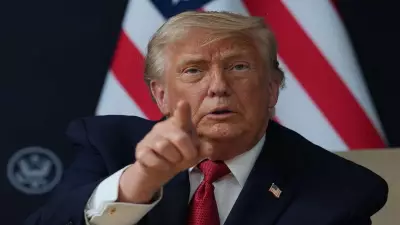
In a significant diplomatic and economic maneuver, the United States has extended an offer to India to supply Venezuelan oil. This initiative is strategically designed to assist New Delhi in diminishing its substantial imports of Russian crude, which have been a focal point in global energy discussions. The move underscores the evolving dynamics in international oil trade and the concerted efforts by Western nations to realign energy partnerships in response to geopolitical tensions.
Background and Strategic Implications
The proposal comes at a time when India has been actively diversifying its energy sources to ensure stability and affordability. Historically, India has relied heavily on Russian oil, particularly following the onset of the Ukraine conflict, which led to discounted prices and increased volumes. However, this reliance has drawn scrutiny from Western allies, prompting the US to explore alternative avenues to support India's energy needs while aligning with broader geopolitical objectives.
Venezuelan oil, once under strict sanctions, has recently seen eased restrictions by the US, opening up new export opportunities. By offering this resource to India, the US aims to provide a viable substitute that could help reduce India's dependency on Russian supplies. This not only addresses energy security concerns but also fosters stronger bilateral ties between the US and India, reinforcing their strategic partnership in the Indo-Pacific region.

Potential Impact on India's Energy Landscape
If accepted, this offer could lead to a notable shift in India's oil import portfolio. Venezuelan crude is known for its heavy grade, which might require adjustments in refining processes, but it presents an opportunity for India to tap into a diversified supply chain. Experts suggest that this move could enhance India's bargaining power in global oil markets and contribute to more stable pricing mechanisms.
The timing of this proposal is crucial, as global oil prices remain volatile and nations seek to navigate the complexities of energy transitions. India, as one of the world's largest oil importers, stands to benefit from increased options that could mitigate risks associated with over-reliance on any single source. Additionally, this aligns with India's broader goals of achieving energy independence and sustainability, as outlined in various government initiatives.
Challenges and Considerations
While the offer holds promise, several challenges must be addressed. Venezuela's oil production has faced significant disruptions due to political and economic instability, raising questions about the reliability of supply. Moreover, logistical hurdles and the need for infrastructure upgrades in India to handle different crude grades could pose initial obstacles.
- Assessing the long-term viability of Venezuelan oil exports amidst ongoing domestic issues in Venezuela.
- Evaluating the economic feasibility compared to existing Russian crude deals, which have offered cost advantages.
- Navigating diplomatic sensitivities with Russia, given India's longstanding ties and strategic interests.
Despite these challenges, the US offer represents a proactive step towards reshaping global energy flows. It highlights the interconnected nature of international relations and energy economics, where strategic partnerships are increasingly leveraged to achieve mutual benefits. As discussions progress, stakeholders will closely monitor how this proposal influences India's energy policies and its position in the global oil market.