

US Military Leader Emphasizes Diplomatic Path for Strait of Hormuz Access
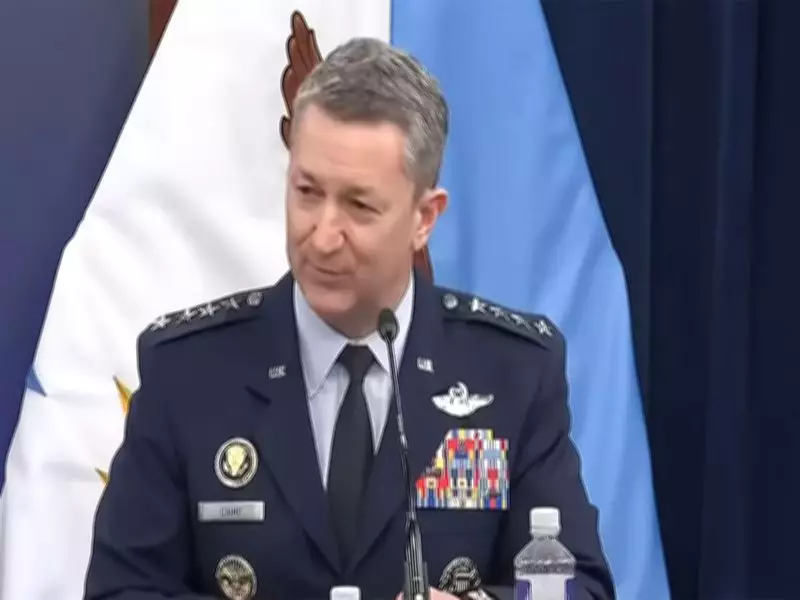
The Chairman of the US Joint Chiefs of Staff, General Charles Q. Brown Jr., has publicly addressed the critical issue of maritime access through the Strait of Hormuz, a vital global chokepoint for oil shipments. In a recent statement, General Brown affirmed that the strait is currently open, but he underscored that continued access hinges on ongoing diplomatic negotiations rather than unilateral military action.
Strategic Importance of the Strait
The Strait of Hormuz, located between Iran and Oman, is one of the world's most strategically significant waterways. It serves as a primary conduit for approximately one-fifth of the global oil supply, making its security a paramount concern for international energy markets and geopolitical stability. Any disruption in this region could lead to severe economic repercussions worldwide, including spikes in oil prices and supply chain interruptions.
General Brown's comments come amid heightened tensions in the Middle East, where incidents involving maritime security have periodically threatened to escalate into broader conflicts. His emphasis on diplomacy reflects a cautious approach by the United States, aiming to balance military readiness with peaceful resolution efforts.

Diplomatic Negotiations as the Key
According to General Brown, the United States believes that maintaining open access to the Strait of Hormuz is achievable through sustained diplomatic engagement. This stance aligns with broader US foreign policy objectives in the region, which prioritize de-escalation and multilateral cooperation. The general did not specify the exact nature of these negotiations, but they likely involve dialogues with regional partners, international organizations, and potentially adversarial states to ensure compliance with international maritime laws.
"I believe so," General Brown remarked when questioned about the strait's openness, highlighting his confidence in the current diplomatic framework. He further explained that access is not guaranteed by military presence alone but is contingent upon successful diplomatic outcomes that address underlying security concerns and promote stability.
Regional and Global Implications
The statement has significant implications for global security and economic policies. By prioritizing diplomacy, the US signals a commitment to avoiding unnecessary military confrontations that could destabilize the region. This approach is particularly relevant given recent incidents, such as attacks on commercial vessels and tensions between Iran and Western powers, which have tested the resilience of maritime security protocols.
- Enhanced Cooperation: The emphasis on negotiations may encourage increased collaboration among Gulf states and international allies to patrol and secure the strait.
- Economic Stability: Assurances of open access help mitigate fears of oil supply disruptions, supporting stable energy markets.
- Geopolitical Balance: This diplomatic focus could reduce the risk of escalation, fostering a more predictable security environment in the Middle East.
In conclusion, General Brown's remarks reinforce the US strategy of leveraging diplomacy to safeguard critical maritime routes. As tensions persist, the international community will closely monitor these negotiations, recognizing that the Strait of Hormuz's accessibility remains a linchpin for global energy security and regional peace.






