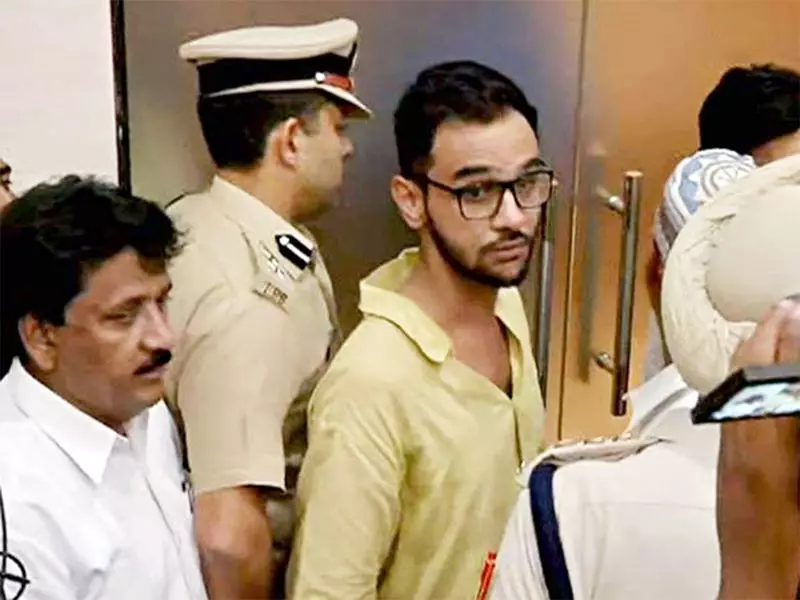
A group of eight United States lawmakers has publicly called upon the Indian government to guarantee a fair and transparent trial for activist Umar Khalid. This intervention follows a similar appeal made earlier by prominent academic Mahmood Mamdani, highlighting growing international attention on the case.
Congressional Letter Details and Demands
The lawmakers, all members of the US House of Representatives, articulated their concerns in a formal letter addressed to the US Secretary of State, Antony Blinken. They urged him to raise the matter directly with Indian authorities. The core of their appeal is a request for India to uphold the right to a fair trial as guaranteed under both Indian law and international human rights standards.
The letter specifically references the legal proceedings against Umar Khalid, who has been in custody for over three years under the Unlawful Activities (Prevention) Act (UAPA). The charges against him are related to the 2020 Delhi riots. The US legislators expressed apprehension that the prolonged detention and the use of stringent laws might be undermining the principles of due process.
Context: Echoing Academic Concerns
This political move comes shortly after a significant academic intervention. In late February, renowned scholar Mahmood Mamdani, a professor at Columbia University, published an open letter demanding Khalid's release and a fair trial. Mamdani's letter, which garnered support from hundreds of global academics and intellectuals, framed the case as a critical test for India's democratic and judicial integrity.
The convergence of academic and political pressure from the United States signals a widening circle of observers who are closely monitoring the handling of this high-profile case. The lawmakers' letter does not question the Indian judiciary's independence but stresses the importance of observable, transparent justice.
Potential Implications and Reactions
The direct appeal from elected US officials is likely to place the case further into the realm of bilateral dialogue. While the Indian government has consistently maintained that its legal processes are robust and impartial, international calls of this nature often draw domestic political reactions. Supporters of Khalid view this as vital external solidarity, while critics may see it as unwarranted foreign interference in India's internal legal matters.
The development underscores how certain legal cases in India, particularly those involving charges under anti-terror laws and concerning freedom of expression, are increasingly attracting global scrutiny. The outcome and conduct of Umar Khalid's trial are now being watched not just domestically, but by international human rights bodies, academic circles, and foreign legislatures.
As the legal process continues, the appeal from the eight US Congress members adds a new diplomatic dimension to the ongoing discourse surrounding the case, emphasizing the international community's expectation for judicial transparency.