U.S. Forces Launch New Bombing Campaign in Pacific Despite Maduro's Capture
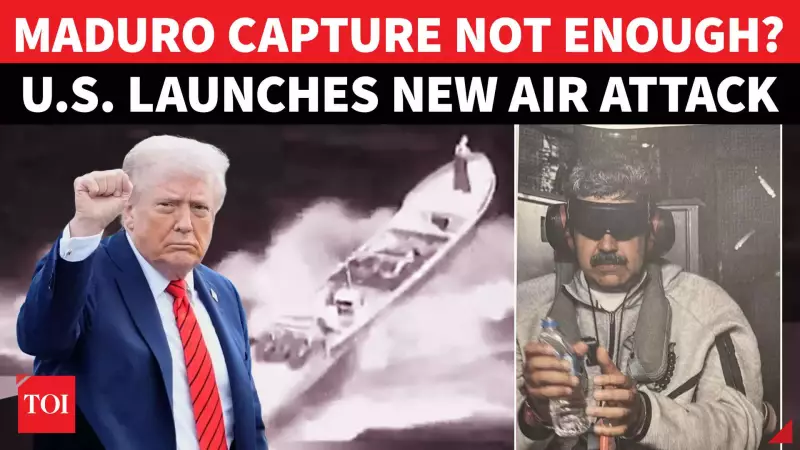
The United States military has initiated a new bombing campaign in the eastern Pacific, targeting a vessel accused of drug trafficking. This operation, conducted under Operation Southern Spear, resulted in the deaths of two individuals, with one survivor reported, according to U.S. Southern Command.
Details of the Deadly Strike
The attack marks a significant escalation in U.S. efforts to disrupt narcotics smuggling routes into the country. The Trump administration has emphasized that this campaign is aimed at curbing the flow of illegal drugs, but it comes amid growing scrutiny over the rising death toll and legal concerns surrounding such military actions.
Notably, this strike is the first known attack on alleged drug-trafficking boats since the U.S. operation that led to the capture of Venezuelan leader Nicolás Maduro. The timing raises questions about the broader geopolitical implications, especially given the ongoing tensions in Venezuela and the region.

Search-and-Rescue Operations and Legal Scrutiny
Following the strike, the Coast Guard was notified to conduct search-and-rescue operations. This move highlights the operational complexities and humanitarian aspects of such military campaigns. However, critics are increasingly voicing concerns over the legality and ethical dimensions of these actions, particularly as casualties mount.
The incident underscores the challenges in balancing national security interests with international law and human rights. As the U.S. continues its campaign, the global community watches closely, with many calling for greater transparency and accountability in these operations.
Broader Implications for U.S.-Venezuela Relations
The new bombing campaign adds another layer to the already strained relations between the United States and Venezuela. With Maduro's capture still fresh in the minds of many, this military action could further inflame tensions and complicate diplomatic efforts in the region.
Experts suggest that such operations might be part of a broader strategy to exert pressure on regimes involved in drug trafficking, but they also warn of potential blowback and unintended consequences. The situation remains fluid, with ongoing developments likely to shape the future of U.S. foreign policy in Latin America.