A significant legal and political controversy has erupted in the United States after a federal judge of Indian origin issued an order preventing the Trump administration from withholding billions of dollars designated for child care and social services. The ruling has drawn fierce criticism from prominent conservative figures, including billionaire Elon Musk, who labeled the situation as "problematic."
The Court Order and Its Immediate Impact
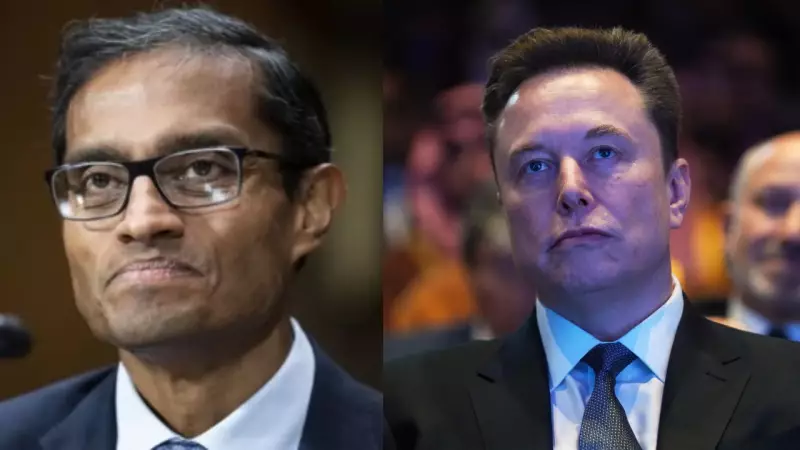
US District Judge Arun Subramanian, a judicial appointee of President Joe Biden who was confirmed in 2023, issued a temporary restraining order earlier this week. This order effectively stops the Republican-led government's attempt to freeze more than $10 billion in federal funding destined for five states governed by Democrats: New York, California, Colorado, Illinois, and Minnesota.
These crucial funds support a range of essential programs, including child care services, social services, and direct cash assistance aimed at supporting low-income families across the nation. Judge Subramanian's intervention mandates that the funding flow continue uninterrupted for at least 14 days, providing a temporary reprieve while the court deliberates on a potential longer-term injunction.

Clashing Narratives: Fraud Prevention vs. Family Welfare
The Department of Health and Human Services (HHS), defending the freeze, stated its primary motive was to prevent potential fraud, specifically pointing to concerns around daycare reimbursements. Officials also alleged possible misuse of funds that could benefit illegal immigrants. As a precaution, the HHS had requested the involved states to submit detailed receipts and records before any further funds would be released.
However, in his ruling, Judge Subramanian argued that the immediate relief was necessary to maintain the status quo and avert what he described as "immediate and devastating impacts" on countless families who depend on these social safety net programs for their daily survival.
Political Firestorm and High-Profile Reactions
The judge's decision immediately ignited a firestorm of criticism from influential conservative voices. Tesla and X owner Elon Musk took to his platform to launch a sharp attack. He questioned the state of American democracy, suggesting that if voters' choices—referring to Republican control of the House, Senate, and Presidency—cannot influence outcomes, democratic rule is compromised. Musk accused a "single activist masquerading as a judge" of enabling massive fraud to persist.
Fox News host Laura Ingraham amplified the fraud claims, branding Subramanian as "another activist in the resistance." She accused the judge of obstructing the Trump administration's efforts to halt Medicaid and child care funds to states that, in her view, refuse to comply with federal directives.
Legal representatives for the Trump administration contended that Judge Subramanian overstepped his judicial authority. They argued that federal courts lack the power to compel the executive branch to release funds on a specific schedule unless Congress has explicitly mandated it. They further maintained there is no statutory requirement to disburse child care funds immediately without a comprehensive review for fraud.
On the opposing side, the ruling received strong backing from New York Attorney General Letitia James, who led the legal challenge against the freeze. She praised the decision as a critical victory for vulnerable families, labeling the funding pause as both illegal and politically motivated. James warned that the freeze would have severely harmed childcare services, domestic violence shelters, and low-income households.
The Path Forward
In response to the court order, HHS Deputy Secretary Jim O'Neill stated that the administration would comply with the temporary restraining order but confirmed plans to appeal the decision. He insisted that the government remains committed to "keep asking questions" and "stop the fraud," indicating this legal battle is far from over.

This case underscores the deep ideological divides in American politics, where issues of governance, federal authority, and social welfare spending collide in the courtroom, with significant implications for millions of citizens reliant on public assistance.