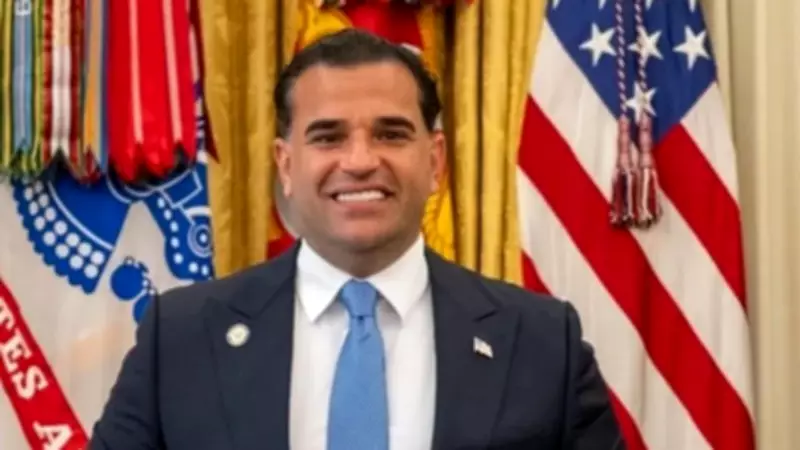
US Special Envoy for Iraq Mark Savaya Exits Role, Sources Reveal
In a significant development in American diplomatic circles, Mark Savaya, the US Special Envoy for Iraq, is no longer serving in his position, as confirmed by multiple sources familiar with the matter. This change occurs at a critical juncture when the United States is actively engaged in managing intricate relationships across the Middle East, with Iraq playing a pivotal role in regional security and geopolitical dynamics.
Details of the Departure and Its Context
The departure of Mark Savaya from his role as the US Special Envoy for Iraq has been reported by insiders, though official statements from the US State Department have not yet been issued to provide further clarification on the circumstances surrounding his exit. Savaya, who was appointed to this key diplomatic position, has been instrumental in overseeing US-Iraq relations, which encompass a wide range of issues from security cooperation to economic partnerships and political dialogue.
This move is part of a broader pattern of adjustments within the US diplomatic framework, as the administration seeks to realign its strategies in response to evolving challenges in the region. The Middle East has been a focal point for US foreign policy, with ongoing conflicts, energy concerns, and alliances requiring careful navigation. Iraq, in particular, remains a crucial partner for the US, especially in efforts to counter terrorism and promote stability.

Implications for US-Iraq Relations and Regional Diplomacy
The exit of Mark Savaya raises important questions about the future trajectory of US-Iraq relations. As the special envoy, Savaya was responsible for facilitating high-level discussions and implementing policies aimed at strengthening bilateral ties. His departure could signal a shift in the US approach to Iraq, potentially affecting areas such as:
- Security collaborations and military support initiatives.
- Economic aid and investment programs designed to bolster Iraq's infrastructure.
- Diplomatic efforts to mediate between Iraq and neighboring countries.
Moreover, this development comes amid heightened tensions in the Middle East, with various actors vying for influence. The US has been working to maintain a balance in its engagements, and changes in key diplomatic positions like this one could impact the effectiveness of its foreign policy objectives. Observers are closely watching to see how the US will fill this vacancy and whether it will lead to a renewed focus on specific issues, such as countering Iranian influence or supporting Iraq's democratic processes.
Broader Impact on US Foreign Policy in the Middle East
The removal of Mark Savaya from his post is not an isolated incident but reflects the dynamic nature of US diplomacy in the region. Over the past few years, the US has made several adjustments to its diplomatic corps in the Middle East, aiming to adapt to changing geopolitical landscapes. This includes reassignments and new appointments that align with strategic priorities, such as energy security, human rights, and conflict resolution.
In the context of Iraq, the country continues to face internal challenges, including political instability and economic hardships, which require sustained international support. The US, as a long-standing ally, plays a vital role in providing assistance, and the special envoy position is crucial for coordinating these efforts. Therefore, Savaya's exit underscores the need for continuity and effective leadership to ensure that US interests and regional stability are upheld.
As the situation unfolds, it will be essential to monitor official announcements from the US government regarding a potential replacement and any new directions in policy. For now, sources indicate that Mark Savaya is no longer in the post, marking a notable moment in US diplomatic history with potential ripple effects across the Middle East.