US-Iran Tensions Escalate Amid Trump's 10-Day Deadline and UK Airbase Denial
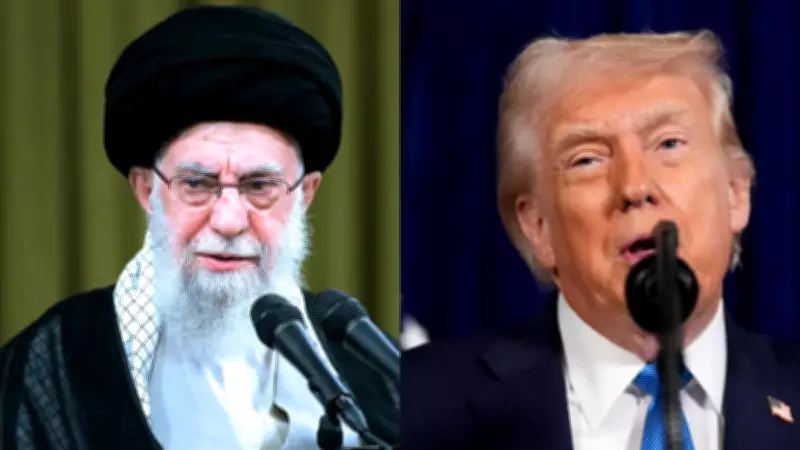
Geopolitical tensions between the United States and Iran have surged dramatically, with a critical 10-day deadline set by former US President Donald Trump adding to the volatility. The situation has been further complicated by the United Kingdom's refusal to grant airbase access to US military forces, a move that underscores the deepening rift among Western allies and raises fears of broader conflict in the Middle East.
Trump's Ultimatum and Its Implications
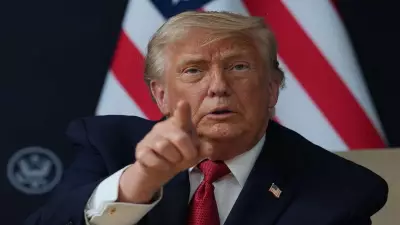
Former President Trump issued a stern 10-day ultimatum to Tehran, demanding significant concessions on nuclear activities and regional influence. This deadline, which has now entered its final phase, has placed immense pressure on Iranian leadership, with analysts warning that failure to comply could trigger severe economic sanctions or even military action. The ultimatum reflects Trump's longstanding hardline stance against Iran, a policy that has persisted despite changes in the US administration.
UK's Decision to Deny Airbase Access
In a significant diplomatic setback for the US, the United Kingdom has formally denied requests for the use of its airbases by American forces. This decision, which marks a departure from traditional military cooperation, is seen as a strategic move by the UK to distance itself from potential escalation in the region. British officials cited concerns over regional stability and the need for diplomatic solutions, highlighting the growing caution among European allies regarding US-led interventions.

Middle East on Edge: Regional and Global Reactions
The Middle East is on high alert as the deadline approaches, with neighboring countries bolstering defenses and calling for restraint. Key regional players, including Saudi Arabia and Israel, have expressed support for US actions, while others like Iraq and Syria have urged de-escalation. Globally, the United Nations has called for dialogue, emphasizing the risk of a humanitarian crisis if tensions boil over into open conflict.
Historical Context and Current Dynamics
This latest flare-up is rooted in decades of strained US-Iran relations, exacerbated by Trump's withdrawal from the Iran nuclear deal in 2018. Since then, incidents such as the assassination of Iranian General Qasem Soleimani and attacks on oil facilities have kept the region on a knife's edge. The current deadline adds a new layer of urgency, with experts noting that Tehran's response could redefine Middle East geopolitics for years to come.
Potential Outcomes and Future Scenarios
As the deadline looms, several scenarios are possible:
- Diplomatic Breakthrough: Iran may offer concessions to avoid confrontation, leading to renewed negotiations.
- Escalation: Failure to meet demands could result in US sanctions or limited military strikes, risking a wider war.
- Regional Proxy Conflicts: Tensions might spill over into proxy battles in Yemen, Syria, or Lebanon, further destabilizing the area.
- International Mediation: Other nations or organizations could step in to broker a ceasefire, though success is uncertain given the deep-seated animosities.
The coming days are critical, with the world watching closely as US-Iran tensions reach a boiling point. The UK's airbase denial signals a shift in alliance dynamics, while the Middle East braces for potential fallout. Stakeholders are urged to prioritize diplomacy to avert a catastrophic conflict that could have far-reaching consequences for global security and economy.