The idea of the United States purchasing the vast, icy island of Greenland might sound like a relic from a bygone colonial era or the plot of a political thriller. Yet, this notion resurfaced with serious intent during the presidency of Donald Trump, revealing a complex geopolitical chess game centered on the Arctic's rising strategic and economic value.
The Trump Administration's Arctic Ambition
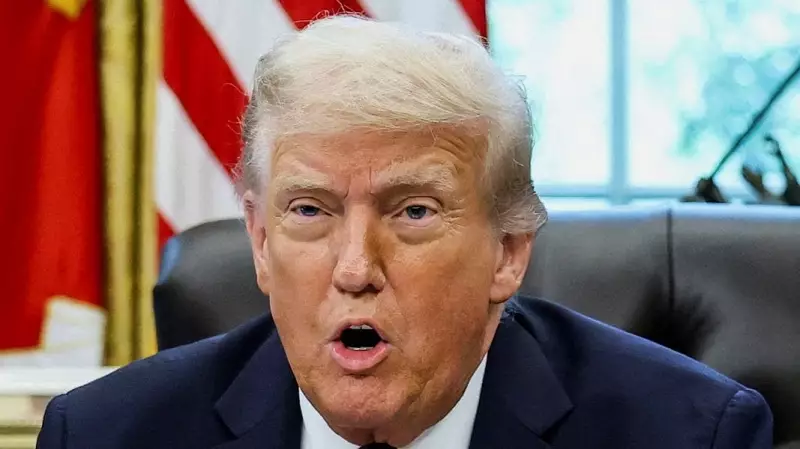
In 2019, news broke that President Donald Trump had repeatedly expressed interest in the United States acquiring Greenland. This was not a casual remark but a subject of serious internal discussion. Reports confirmed that Trump asked his White House counsel to look into the possibility, and the administration even floated the idea of a substantial real estate deal with Denmark, which has governed Greenland as a self-ruling territory since 1979.
The rationale behind this audacious move was multifaceted. Strategically, Greenland's location in the Arctic is becoming increasingly crucial as melting ice opens new shipping routes and access to untapped resources. The US already maintains a critical air base at Thule in northern Greenland, a key node for missile warning and space surveillance. Owning the island would solidify American dominance in the region, countering growing Russian and Chinese activity in the Arctic.

Economically, the island is believed to hold vast deposits of rare earth minerals, essential for modern technology like smartphones and military equipment. With China dominating the global supply chain for these minerals, Greenland represented a potential alternative source for the US and its allies.
Denmark and Greenland's Firm Rejection
The proposal was met with swift and unequivocal rejection. The Danish government, led by Prime Minister Mette Frederiksen, labeled the idea "absurd" and a clear sign that the US did not understand Greenland's status and the will of its people. Greenland's own government also firmly stated it was not for sale, emphasizing its path toward greater independence and self-determination.
The backlash was immediate and diplomatic relations soured. President Trump responded by postponing a scheduled state visit to Denmark, a move that underscored the seriousness with which he had treated the proposal. The episode highlighted a significant clash between an old-world transactional mindset and modern norms of sovereignty and post-colonial relationships.
The Enduring Strategic Significance of Greenland
While the purchase idea was shelved, the underlying strategic interest of the United States in Greenland has not diminished. The Arctic region is a new frontier of great power competition. Russia is modernizing its Arctic military bases, and China, declaring itself a "near-Arctic state," is investing heavily in polar research and infrastructure projects, including in Greenland itself.
Consequently, the US has shifted its approach from acquisition to deepened partnership. The US reopened a consulate in Greenland's capital, Nuuk, in 2020 after a seven-decade hiatus, signaling a long-term commitment to engagement. Furthermore, the US has pledged significant economic investment in Greenland for projects ranging from tourism to mineral resource development, aiming to strengthen ties and provide an alternative to Chinese capital.
This strategy acknowledges Greenland's autonomous authority over its domestic affairs, including its natural resources, while ensuring the US remains a key ally and stakeholder in the region's future.
Conclusion: Sovereignty Over Sale
The story of the US attempt to buy Greenland is more than a political curiosity. It serves as a stark reminder of the Arctic's transformed status from a frozen periphery to a central arena of global strategy. It demonstrated that while territorial purchases are an anachronism in the 21st century, the competition for influence, resources, and strategic positioning is very much alive.

The final word belongs to the people of Greenland. As the world's powers vie for advantage in their backyard, Greenlanders are navigating a delicate balance: leveraging foreign investment for economic development while fiercely guarding their hard-won autonomy and the right to determine their own future, on their own terms. The question is no longer about a price tag, but about partnership and respect in a rapidly changing world.