US H-1B Visa Crisis Deepens: Indian Applicants Face Stamping Delays Until 2027
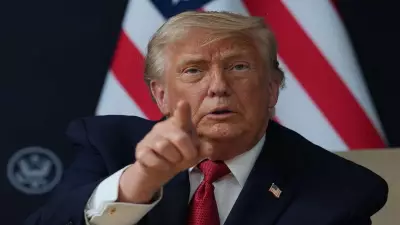
In a significant development affecting thousands of Indian professionals, US consulates across India have reportedly extended visa stamping interview appointments for H-1B visa applicants until 2027. This alarming delay comes amid heightened scrutiny from the Trump administration, creating unprecedented challenges for Indians aspiring to work in the United States.
Nationwide Visa Slot Shortage Impacts Key Sectors
Multiple reports confirm that no appointment slots are available until next year at major US visa offices in Delhi, Mumbai, Chennai, Hyderabad, and Kolkata. This bottleneck has particularly affected professionals in critical sectors, including:
- Technology and IT workers such as software engineers, data scientists, and AI specialists
- Consulting and financial services professionals
- Healthcare professionals
- Mid-career professionals in leadership or client-facing roles
According to Manifest Law attorney Ana Gabriela Urizar, these delays have created uncertainty for countless Indian professionals whose careers depend on timely visa processing.

Strategic Planning Essential During Waiting Period
For those awaiting H-1B visa stamping interviews, Attorney Urizar emphasizes that strategic planning is absolutely crucial. She advises clients to avoid international travel unless absolutely necessary, especially when stamping is required.
Urizar recommends working closely with immigration lawyers to explore long-term options, including:
- H-1B extensions and amendments
- Permanent-residency strategies such as PERM, EB-1, or National Interest Waivers
- Alternative visa options not subject to lottery systems
Critical Considerations for Visa Applicants
The attorney outlines several key points that applicants must keep in mind during this challenging period:
- Ensure all filings are clean, consistent, and thoroughly documented, as immigration officers are now examining cases more holistically
- Be extremely mindful of social-media presence, since inconsistencies between online activity and visa representations can raise red flags
- Employers should develop remote work contingencies and workforce flexibility plans
- Purchase plane tickets with fully refundable options when travel becomes necessary
- Consider self-sponsoring options for permanent residency to reduce employer dependency
"H-1B and H-4 holders need to think years ahead, not months ahead," Urizar emphasizes. "The system is functioning, but it is moving more slowly and with greater scrutiny. Proactive planning is now essential, not optional."
Further Delays Expected Through 2026 and Beyond
Unfortunately, the situation appears likely to worsen. Attorney Urizar predicts further delays, particularly through 2026 and beyond, due to multiple compounding factors:
- Backlogs from prior years that consulates continue to address
- Staffing constraints at visa processing centers
- Implementation of enhanced security and fraud-prevention measures
- Expanded social-media and background screening protocols
- Prioritization of other visa categories, including FIFA ticket holders
"Visa processing is no longer just about documents," Urizar explains. "Enhanced background checks, including social-media vetting, are contributing to longer processing timelines, particularly at high-volume posts like India."
She further notes that even when appointment slots technically exist, cases often face 221(g) administrative processing, which can add weeks or months after the interview. "So, the appointment date alone does not guarantee timely visa issuance," she cautions.
Profound Impact on Indian Professionals and Families
These extensive delays have created a precarious situation for Indian professionals. International travel has become a calculated risk, as leaving the United States could mean being stranded abroad for months or even years—despite having valid employment, approved petitions, and ongoing projects in the US.
The consequences extend beyond professional concerns:

- Employers may delay career advancement opportunities or global assignments due to travel uncertainty
- Families face potential separation during prolonged waiting periods
- H-4 spouses and children often bear the brunt of these delays, facing disrupted education and family life
- Professionals risk losing their jobs while waiting abroad for visa processing
As the H-1B visa processing landscape becomes increasingly complex, Indian professionals must adopt comprehensive strategies to navigate these challenges while maintaining their career trajectories and personal stability.