US Government Enters Partial Shutdown Over Immigration Funding Dispute
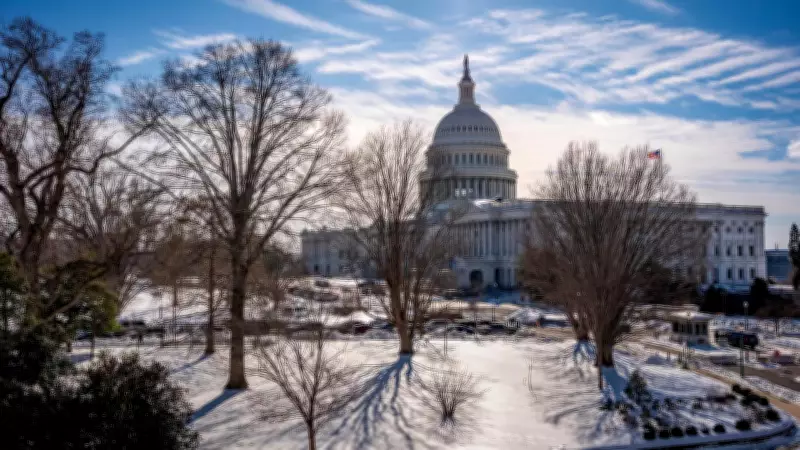
The United States government entered a partial shutdown on Saturday after Congress failed to approve the 2026 federal budget by the midnight deadline. This governmental disruption was triggered primarily by Democratic opposition to recent actions by federal immigration agents, specifically the killing of two protesters in Minneapolis, which brought talks about Department of Homeland Security funding to a halt.
Immediate Impact and Temporary Measures
Despite the shutdown, the disruption is anticipated to be relatively brief. The House of Representatives plans to approve a Senate-backed deal early in the coming week. On Friday, the Senate passed a comprehensive funding package that covers numerous federal agencies through September. This package also includes a crucial temporary two-week extension for Department of Homeland Security operations, allowing lawmakers additional time to work out the intricate details of immigration enforcement policies.
However, the immediate effects are significant, with approximately 75% of federal operations impacted by the shutdown. This wide-ranging impact affects various critical sectors across the nation, including education, healthcare, housing, and national defense.

Political Criticism and Administrative Response
Senate Democratic Minority Whip Dick Durbin voiced strong criticism of the administration's current priorities. "Instead of going after drug smugglers, child predators, and human traffickers, the Trump Administration is wasting valuable resources targeting peaceful protestors in Chicago and Minneapolis," Durbin stated. He further emphasized, "This Administration continues to make Americans less safe."
In response to the budgetary impasse, federal departments have already begun implementing standard shutdown procedures overnight. Should the shutdown extend beyond a few days, many federal employees could face unpaid leave or be required to work without pay until funding is restored. Nevertheless, leaders from both Republican and Democratic parties express confidence that the disruption will be short-lived once the House approves the Senate's proposed package.
Presidential Endorsement and Historical Context
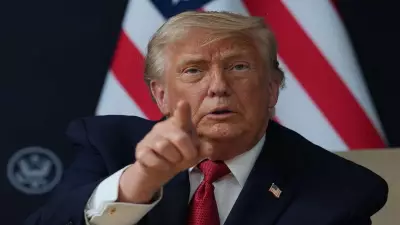
President Trump has publicly endorsed the Senate's agreement and is actively pushing for swift action in the House. His administration aims to avoid a prolonged shutdown similar to the record-breaking event last fall, which disrupted federal services for over a month and caused widespread operational challenges.
The House of Representatives, currently out of session until Monday, is expected to vote on the funding package immediately upon their return. While federal agencies have initiated shutdown preparations, the practical impact on government services, contractors, and federal workers should remain minimal if the House passes the funding package as anticipated early next week.
Conclusion and Future Outlook
This strategic approach would restore funding within days, effectively limiting the shutdown's practical effects and ensuring a swift return to normal governmental operations. The temporary nature of this shutdown reflects ongoing political negotiations rather than a fundamental breakdown in budgetary processes, with both parties seeking resolution on immigration enforcement details while maintaining essential federal functions.