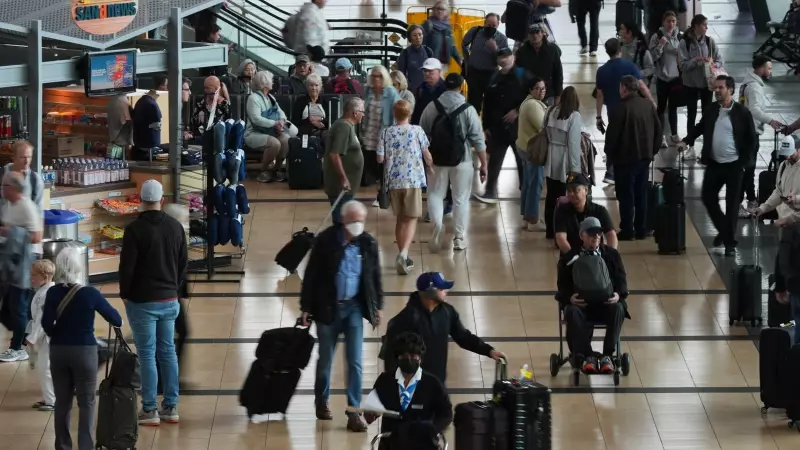
Major US airlines have plunged into chaos as carriers canceled over 1300 flights amid growing concerns about an impending government shutdown that could severely cripple air travel operations across the country.
Massive Flight Cancellations Begin
American airlines proactively canceled more than 1300 flights as the United States faces a potential government shutdown starting October 1. This preemptive action comes as the aviation industry braces for significant operational challenges that could leave thousands of passengers stranded and disrupt travel plans nationwide.
The cancellations represent a strategic move by airlines to avoid last-minute chaos, with carriers recognizing that a government shutdown would force the Federal Aviation Administration (FAA) to implement immediate staffing reductions. Aviation experts warn that the situation could deteriorate rapidly if Congress fails to reach a funding agreement before the deadline.

Government Shutdown Threatens Air Traffic Control
The Federal Aviation Administration has confirmed it would need to furlough approximately 20% of its air traffic control workforce if the government shuts down. This substantial reduction in critical personnel would inevitably lead to massive flight delays, extended ground stops, and potentially dangerous overcrowding at major airports.
Transportation Secretary Pete Buttigieg emphasized the severity of the situation, stating that the aviation system would face unprecedented strain. The potential shutdown occurs at a particularly challenging time, as air travel has been steadily recovering to pre-pandemic levels, with passenger volumes increasing significantly throughout 2023.
Industry analysts note that the timing couldn't be worse, with the holiday travel season approaching. The disruptions could affect not only domestic flights but also international travel, given the interconnected nature of global aviation networks.
Passenger Impact and Industry Response
Travelers across the United States are facing uncertainty and frustration as airlines scramble to adjust their schedules. Major carriers including Delta, United, and American Airlines have issued travel advisories and are offering flexible rebooking options for affected passengers.
The aviation industry has been vocal in its concerns, with airline executives and industry associations urging Congress to take immediate action to prevent the shutdown. They argue that the economic impact of widespread flight cancellations and delays would ripple through the entire economy, affecting business travel, tourism, and cargo transportation.
Air traffic controllers themselves have expressed grave concerns about working without pay during a shutdown, noting that the stress of the situation could compromise safety protocols. The last government shutdown in 2019 demonstrated how quickly the aviation system can become strained when critical personnel face financial uncertainty.
As the October 1 deadline approaches, airlines continue to monitor the situation closely, prepared to implement additional cancellations if necessary. Passengers are advised to check with their airlines directly for the latest updates and consider alternative travel arrangements if possible.