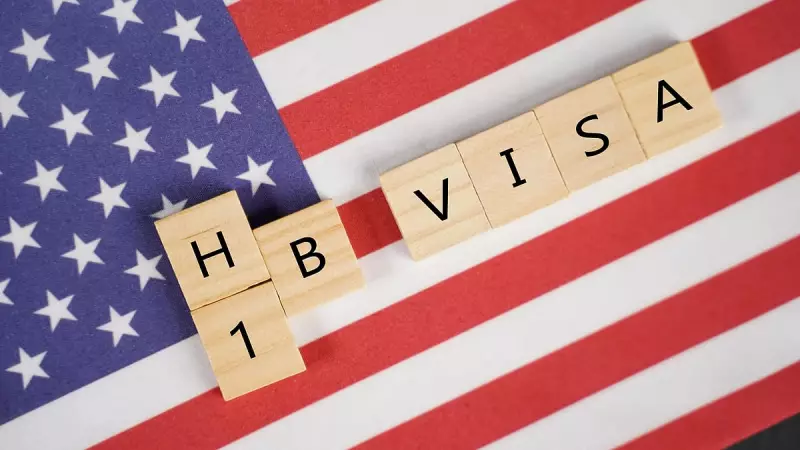
The administration of President Donald Trump has issued a directive for significantly stricter screening procedures for individuals applying for the H-1B work visa. This move, announced on 04 December 2025, introduces a new layer of scrutiny for a program that is a critical pipeline for global talent into the United States, particularly for its technology sector.
What the Enhanced Vetting Entails
The new order calls for "enhanced vetting" measures, though specific procedural details are to be defined by relevant agencies. Historically, such terminology has pointed towards more rigorous background checks, extended administrative processing, and potentially more exhaustive reviews of an applicant's educational credentials and employment history. The core fact remains unchanged: the H-1B visa program allows US companies to employ foreign workers in specialty occupations, a category heavily utilized by engineers, software developers, and other technical experts.
Immediate Impact on US Tech and Indian Talent
The repercussions of this policy shift are expected to be most acutely felt by two primary groups. First, US tech companies, which have long relied on the H-1B program to fill skill gaps and recruit top international talent, may face longer wait times and more uncertainty in their hiring processes. Second, and of direct relevance to India, are the thousands of skilled professionals from countries including India and China. India, being the largest recipient of H-1B visas annually, is poised to feel a substantial impact. For many Indian IT professionals and engineers, the H-1B has been a primary avenue to work in the US.

Broader Context and Potential Outcomes
This directive continues a trend of tightening immigration pathways for skilled workers seen during the Trump presidency. The stated goal often revolves around protecting American jobs and ensuring visa program integrity. However, industry advocates argue that such measures could hinder innovation and competitiveness by making it harder for companies to access the best global minds. The increased scrutiny could lead to:
- Longer processing times and potential delays for project staffing.
- Increased application costs and legal complexities for employers.
- A possible shift in how companies structure global teams, with more roles being placed offshore.
The announcement, as reported by Reuters, sets the stage for a more challenging environment for H-1B visa applicants. For the Indian tech community, both aspiring applicants and those seeking renewals or transfers, preparing for more detailed documentation and extended timelines will become essential. The full implementation and practical effects of this enhanced vetting will unfold in the coming months.