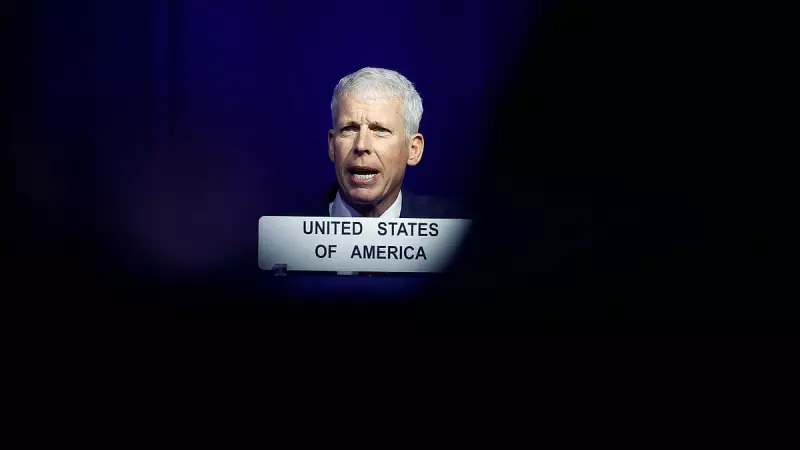
In a significant development highlighting shifting geopolitical energy dynamics, the United States Energy Secretary has publicly described recent interactions with Venezuela as "fantastic." This statement comes alongside a high-level meeting convened by President Donald Trump with top executives from the world's leading oil companies at the White House.
White House Hosts Global Oil Giants
The pivotal gathering took place on Friday, 10 January 2026. President Donald Trump engaged directly with chiefs from some of the planet's most influential petroleum corporations. While the official agenda covered broad energy security issues, the context of the ongoing situation in Venezuela, a major oil-rich nation, was a central point of discussion. The meeting underscores the administration's proactive approach to global energy markets and its strategic interests in the Western Hemisphere.
Energy Secretary's Positive Assessment
Concurrent with the White House summit, the US Energy Secretary offered an optimistic outlook on dealings with Caracas. The characterization of these interactions as "fantastic" signals a potential, though complex, diplomatic channel concerning Venezuela's vast hydrocarbon resources. This perspective is notable given the historically tense relations and sanctions regime between the US and the Venezuelan government.

The Secretary's comments suggest behind-the-scenes dialogues or negotiations that may be progressing more smoothly than publicly perceived. Analysts suggest these talks likely revolve around global oil supply stability, market prices, and the potential for Venezuela's oil sector to reintegrate into international markets under certain conditions.
Implications for Global Energy and Diplomacy
The dual events—the high-profile corporate meeting and the positive diplomatic signal—point to a coordinated strategy. The Trump administration appears to be leveraging both private sector engagement and diplomatic channels to address energy security concerns. For global markets, any thaw in US-Venezuela relations could have profound implications for oil supply chains and pricing.
For India, a major importer of crude oil, these developments are crucial. Shifts in Western Hemisphere oil politics can directly affect supply options and pricing for the Indian economy. The Indian government and energy firms will be monitoring these talks closely, as any change in Venezuela's export status could present new opportunities or challenges for India's energy diversification strategy.
The outcome of these "fantastic" interactions and the White House discussions remains to be fully seen. However, they mark a clear effort by the US to assert its influence over global energy geopolitics as of early 2026, using a combination of corporate power and statecraft.