US Treasury Announces Temporary Easing of Iranian Oil Sanctions Until April 19
In a significant move aimed at addressing global energy supply concerns, the United States Treasury Department has announced a temporary easing of sanctions on Iranian-origin crude oil and petroleum products. This authorization, effective until April 19, 2026, permits the sale and delivery of these resources, including imports into the United States, to help stabilize volatile energy markets.
Key Details of the Sanctions Relief
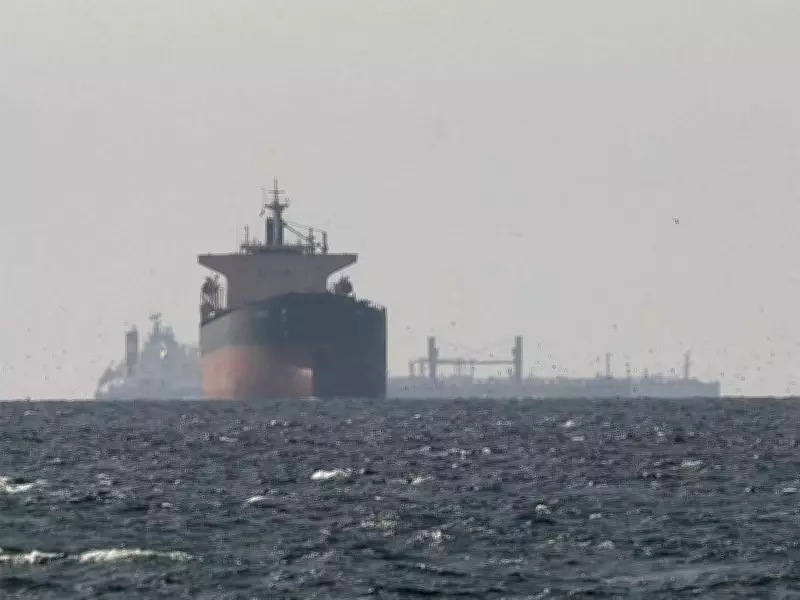
The decision was detailed in a statement from the US Department of the Treasury's Office of Foreign Assets Control (OFAC). It authorizes transactions that are ordinarily incident and necessary for the sale, delivery, or offloading of crude oil or petroleum products of Iranian origin. This applies specifically to oil loaded on vessels on or before March 20, 2026, with the authorization extending through 12:01 a.m. Eastern Daylight Time on April 19, 2026.
The statement explicitly notes: "All transactions prohibited by the above-listed authorities that are ordinarily incident and necessary to the sale, delivery, or offloading of crude oil or petroleum products of Iranian origin loaded on any vessel, including vessels blocked under the above-listed authorities, on or before 12:01 am eastern daylight time, March 20, 2026 are authorized through 12:01 a.m. eastern daylight time, April 19, 2026."

Rationale Behind the Temporary Authorization
US Treasury Secretary Scott Bessent explained the rationale in a post on X, describing it as a "narrowly tailored, short-term authorization permitting the sale of Iranian oil currently stranded at sea." He highlighted that this measure is designed to alleviate supply pressures in global energy markets, particularly amid heightened geopolitical tensions and disruptions in the Strait of Hormuz.
Bessent emphasized: "At present, sanctioned Iranian oil is being hoarded by China on the cheap. By temporarily unlocking this existing supply for the world, the United States will quickly bring approximately 140 million barrels of oil to global markets... helping to relieve the temporary pressures on supply caused by Iran."
He further clarified that this policy is limited in scope, strictly applying to oil already in transit and not allowing new purchases or production. Bessent assured that Iran will have difficulty accessing any revenue generated from these sales, and the US will continue its maximum pressure campaign against Tehran.
Broader Context and Strategic Implications
This temporary easing comes as the conflict with Iran enters its 21st day, with the Strait of Hormuz effectively closed to most maritime traffic, exacerbating pressures on global energy supplies and diplomatic relations. Bessent pointed to broader efforts by the Trump Administration to boost global energy supply, stating, "So far, the Trump Administration has been working to bring around 440 million additional barrels of oil to the global market, undercutting Iran's ability to leverage its disruptions in the Strait of Hormuz."
He also underscored domestic energy policy achievements, noting, "President Trump's pro-energy agenda has driven U.S. oil and gas production to record levels, strengthening energy security and lowering fuel costs. Any short-term disruption now will ultimately translate into longer-term economic gains for Americans - because there is no prosperity without security."
Conclusion
The temporary authorization represents a strategic maneuver by the US to mitigate energy market volatility while maintaining pressure on Iran. By allowing the sale of stranded Iranian oil, the US aims to inject approximately 140 million barrels into global markets, providing temporary relief from supply constraints. However, the policy remains tightly controlled, with ongoing sanctions enforcement to limit Iran's financial gains and access to international systems.