

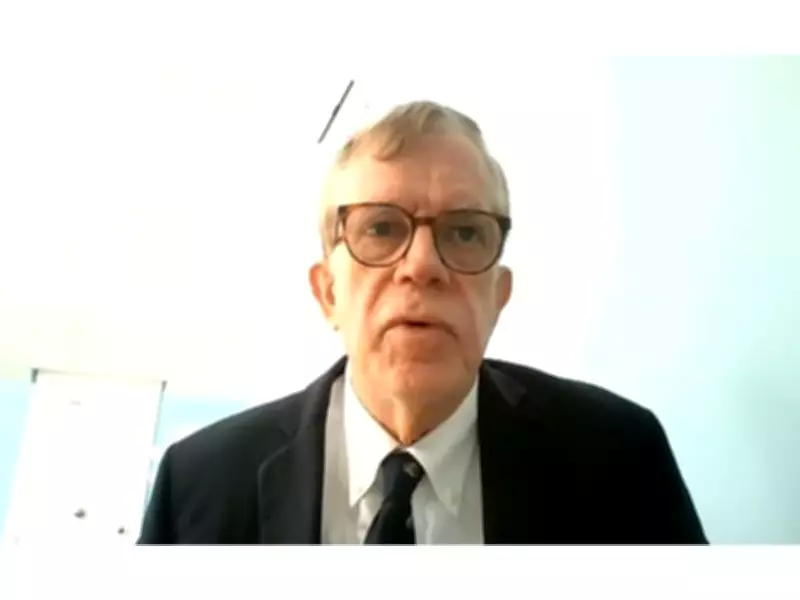
US Diplomat Warns Iran's Strait of Hormuz Control is a 'Superweapon'
In a stark assessment of regional security dynamics, senior US diplomat Donald Heflin has emphasized that Iran's control over the Strait of Hormuz constitutes a formidable 'superweapon' with profound implications for global energy markets and geopolitical stability. This critical waterway, through which approximately one-fifth of the world's oil supply transits, serves as a pivotal chokepoint that Iran has leveraged to exert significant influence in the Middle East and beyond.
Strategic Importance of the Strait of Hormuz
The Strait of Hormuz is a narrow maritime passage connecting the Persian Gulf to the Gulf of Oman and the broader Indian Ocean. Its strategic value cannot be overstated, as it facilitates the export of oil from major producers such as Saudi Arabia, the United Arab Emirates, Kuwait, and Iraq. Any disruption in this corridor could trigger severe economic repercussions worldwide, including spikes in oil prices and supply shortages.
Donald Heflin, a seasoned US diplomat with extensive experience in Middle Eastern affairs, underscored that Iran's ability to monitor, patrol, and potentially block this strait grants it an asymmetric advantage. This control is not merely a tactical asset but a strategic 'superweapon' that Iran can deploy to pressure adversaries, influence international negotiations, and project power across the region.

Iran's Military and Political Leverage
Iran has consistently demonstrated its capacity to disrupt maritime traffic in the Strait of Hormuz through various means, including naval exercises, mine-laying capabilities, and the deployment of fast-attack craft. These actions are often framed as responses to perceived threats or as part of broader geopolitical maneuvers. Heflin pointed out that this control enables Iran to:
- Threaten the energy security of nations reliant on Middle Eastern oil.
- Complicate US and allied military operations in the region.
- Use the strait as a bargaining chip in diplomatic engagements, such as nuclear negotiations.
Moreover, Iran's influence extends beyond military tactics to encompass political and economic dimensions. By holding the strait hostage, Tehran can sway international opinion, deter aggressive actions from rivals, and bolster its regional standing among allies and proxies.
Global and Regional Implications
The US diplomat's remarks come amid ongoing tensions in the Middle East, where Iran's activities have frequently clashed with US interests and those of its partners. Heflin warned that Iran's 'superweapon' status poses a direct challenge to global stability, necessitating coordinated international efforts to mitigate risks. Potential consequences include:
- Economic Disruption: A closure or significant hindrance of the strait could lead to a global oil crisis, affecting economies from Asia to Europe and North America.
- Military Escalation: Any attempt by Iran to block the strait might provoke military responses from the US or its allies, raising the specter of broader conflict.
- Diplomatic Strains: The situation complicates diplomatic initiatives, as nations must balance energy needs with security concerns and political alliances.
Heflin emphasized that addressing this threat requires a multifaceted approach, combining diplomatic engagement, economic sanctions, and military preparedness to ensure the strait remains open and secure for international navigation.
Conclusion
Donald Heflin's characterization of Iran's control over the Strait of Hormuz as a 'superweapon' highlights a critical vulnerability in the global energy infrastructure. As geopolitical rivalries intensify, the strait's significance only grows, making it a focal point for international security strategies. The US and its allies must remain vigilant and proactive in countering Iran's leverage to safeguard regional peace and global economic stability.






