A federal court in Minnesota has taken decisive action to limit the powers of Immigration and Customs Enforcement agents operating in Minneapolis. This ruling comes as President Donald Trump continues his aggressive immigration crackdown across the United States.
Court Issues Injunction Against ICE Tactics
US District Judge Kate Menendez issued a significant injunction on Friday that directly curtails how ICE agents can interact with protesters and observers. The judge specifically barred federal agents from retaliating against individuals engaged in peaceful, unobstructive protest activities.
This legal decision represents a clear victory for local activists in Minnesota's most populous city. The court case was brought forward on behalf of six protesters and observers who argued that ICE agents had violated their constitutional rights during enforcement operations.

What the Court Order Specifically Prohibits
The court's ruling establishes several important restrictions on ICE agents' behavior:
- ICE officers cannot arrest or detain peaceful protesters or orderly observers without reasonable suspicion that these individuals have committed a crime or are actively interfering with law enforcement operations
- Federal agents are banned from using pepper spray, tear gas, or other crowd-control munitions against peaceful demonstrators
- The same prohibition applies to bystanders who are simply observing and recording immigration enforcement activities
- Agents cannot stop or detain drivers and passengers in vehicles when there is no reason to believe they are forcibly obstructing or interfering with federal operations
Judge Menendez wrote in her decision that the government had failed to adequately explain why its immigration officers needed to arrest and use force against peaceful observers. The court found this justification lacking for the street tactics employed by ICE agents.
Background: Trump's Massive Immigration Deployment
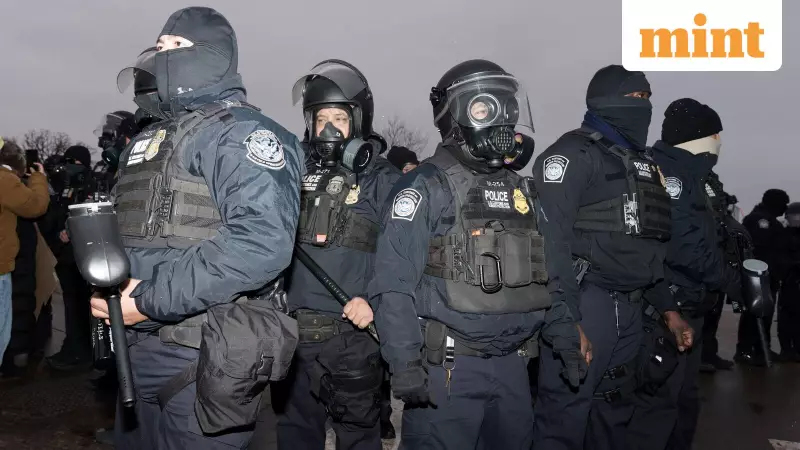
This Minnesota court ruling arrives nearly two weeks after the Trump administration announced a major deployment of immigration agents to the Minneapolis area. The administration initially sent 2,000 immigration agents to the region, which the US Department of Homeland Security described as its largest such operation in history.
Since that initial announcement, the number of heavily armed officers from ICE and Border Patrol has grown significantly. The force has expanded to nearly 3,000 agents, a number that now dwarfs the ranks of local police officers in the Twin Cities metropolitan area of Minneapolis and St. Paul.
Tensions Escalate Following Fatal Shooting
The situation in Minneapolis became particularly tense last week when an ICE agent fatally shot 37-year-old Renee Nicole Good. The mother of three was behind the wheel of her car when the shooting occurred. At the time, she was participating in one of many neighborhood patrols organized by local activists to track and monitor ICE activities.
This tragic incident has significantly heightened tensions surrounding the massive deployment of federal immigration agents to the Minneapolis area. Community members and activists have expressed growing concerns about the presence and tactics of these federal officers in their neighborhoods.
The court's intervention represents a critical check on federal immigration enforcement powers during a period of heightened political tension and community concern. As the Trump administration continues its immigration crackdown, this ruling establishes important boundaries for how federal agents can interact with American citizens exercising their constitutional rights.