US Court Declares South Dakota Governor Kristi Noem's Move to End Protections for Venezuelans in the US as Illegal
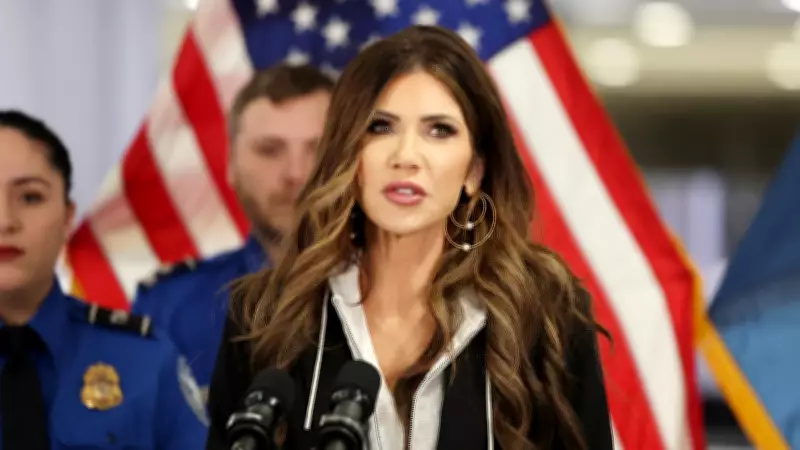
In a significant legal development, a United States court has ruled that South Dakota Governor Kristi Noem's decision to terminate protections for Venezuelan migrants residing in the United States is illegal. This ruling marks a pivotal moment in the ongoing debates surrounding immigration policies and the rights of migrants under US law.
Background and Context of the Case
The case centers on Governor Noem's actions to end certain protections that were previously extended to Venezuelan nationals in the US. These protections were part of broader immigration measures aimed at providing temporary relief to individuals from Venezuela, a country grappling with severe political and economic crises. The decision by Governor Noem, a prominent political figure, sparked controversy and legal challenges from advocacy groups and affected migrants.
The court's ruling underscores the complexities of state versus federal authority in immigration matters. It highlights how state-level decisions can clash with federal guidelines and international obligations, leading to judicial intervention to uphold legal standards.

Implications of the Court's Decision
The court's declaration that Governor Noem's decision is illegal has several key implications:
- Legal Precedent: This ruling sets a legal precedent that could influence future cases involving state attempts to alter or end federal immigration protections. It reinforces the principle that such actions must comply with existing laws and regulations.
- Impact on Migrants: For Venezuelan migrants in the US, this decision provides a measure of security and stability. It ensures that their protections remain in place, at least temporarily, safeguarding them from potential deportation or loss of legal status.
- Political Ramifications: The ruling is likely to have political repercussions, particularly for Governor Noem and other politicians advocating for stricter immigration controls. It may fuel debates on immigration reform and the role of states in shaping national policies.
Reactions and Responses
Following the court's decision, reactions have been mixed. Advocacy groups and migrant rights organizations have welcomed the ruling, viewing it as a victory for justice and human rights. They argue that it upholds the dignity and safety of vulnerable populations fleeing crises in their home countries.
On the other hand, supporters of Governor Noem and similar policies have expressed disappointment, citing concerns over national security and resource allocation. They contend that states should have more autonomy in managing immigration issues within their borders.
The Biden administration, which has generally supported protections for migrants from troubled nations, may see this ruling as a validation of its approach. However, it also underscores the ongoing legal and political battles over immigration in the US.
Looking Ahead
This case is part of a larger trend of legal challenges to immigration policies in the US. As the country continues to navigate complex immigration dynamics, such rulings will play a crucial role in shaping the legal landscape. Future developments may include appeals, further legislative actions, or shifts in public opinion.
For now, the court's decision serves as a reminder of the importance of adhering to legal frameworks in immigration matters. It highlights the need for balanced policies that consider both humanitarian concerns and national interests.