United States Issues Strong Condemnation of Attack on Iraqi Kurdistan President
The United States government has issued a forceful condemnation of a recent attack targeting the President of Iraq's Kurdistan Region. In an official statement, US authorities described the incident as a "cowardly terrorist act" and expressed grave concern over the violence directed at a key regional leader.
Details of the Attack and Immediate Response
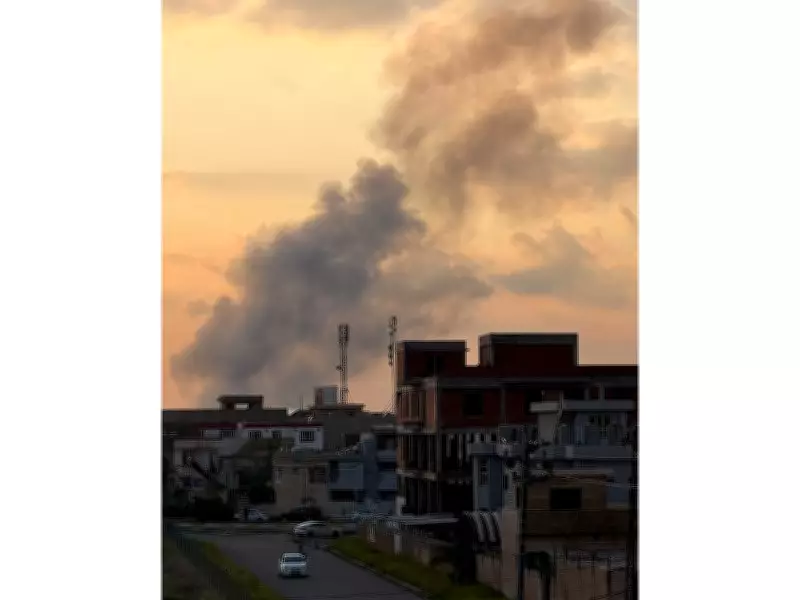
While specific operational details of the assault remain under investigation by local security forces, reports indicate it was a serious security breach aimed at the presidential office or convoy in the semi-autonomous Kurdistan region of northern Iraq. The attack has raised significant alarms about the persistent threat of terrorism and political instability in the area, which has been a relatively stable partner for international efforts in the region.
The US State Department was quick to respond, with a spokesperson emphasizing that "such acts of violence have no place in a peaceful society and undermine the security and prosperity of all Iraqi people." The condemnation underscores Washington's ongoing diplomatic and security engagement with both the federal government in Baghdad and the Kurdistan Regional Government (KRG) in Erbil.

Broader Implications for US-Iraq Relations and Regional Stability
This incident occurs against a complex backdrop of US-Iraq relations, where America maintains a strategic partnership focused on counter-terrorism, economic development, and supporting Iraq's sovereignty. The Kurdistan Region, in particular, has been a crucial ally in the fight against groups like ISIS, and attacks on its leadership are viewed as direct threats to these collaborative security frameworks.
Analysts suggest that the US statement serves multiple purposes:
- Reaffirming support for the KRG and its leadership amidst internal and external pressures.
- Deterring further violence by publicly denouncing terrorism and those who perpetrate it.
- Signaling commitment to stability in Iraq and the wider Middle East, a key foreign policy priority.
The condemnation also highlights the delicate balance in US diplomacy, as it navigates relationships with both the central Iraqi government and the Kurdistan Region, which has its own aspirations for greater autonomy. By labeling the attack as terrorist in nature, the US aligns itself clearly against non-state actors and destabilizing forces, regardless of their origin or motives.
Looking Ahead: Security and Diplomatic Next Steps
In the wake of this attack, US officials have pledged continued cooperation with Iraqi and Kurdish security forces to enhance protection measures and investigate the perpetrators. This includes potential intelligence sharing and logistical support to prevent future incidents. The statement concluded with a call for all parties to "reject violence and work towards a peaceful, unified Iraq where all citizens can thrive."
As the situation develops, the international community will be watching closely to see how this event influences regional dynamics, particularly in terms of counter-terrorism efforts and the ongoing political negotiations between Erbil and Baghdad. The US's unequivocal stance sets a clear tone for its expected role in facilitating dialogue and security in the months ahead.