In a bold geopolitical move that reads like a political thriller, the United States is reportedly considering a direct financial proposition to the residents of Greenland. According to sources cited by Reuters, US officials are weighing a plan to offer substantial lump sum cash payments to Greenlanders. The aim is to persuade them to support breaking away from Denmark and potentially align closer with the United States.
The Reported Cash-for-Influence Scheme
The news agency, citing four sources familiar with the discussions, revealed that the idea is being actively mulled within US official circles. While the exact financial figures under consideration remain fluid, the proposed amounts are staggering. Two sources indicated that White House aides and other officials have discussed payments ranging from $10,000 to $100,000 per person. This direct cash-for-influence strategy marks an unprecedented approach to international diplomacy and territorial influence.
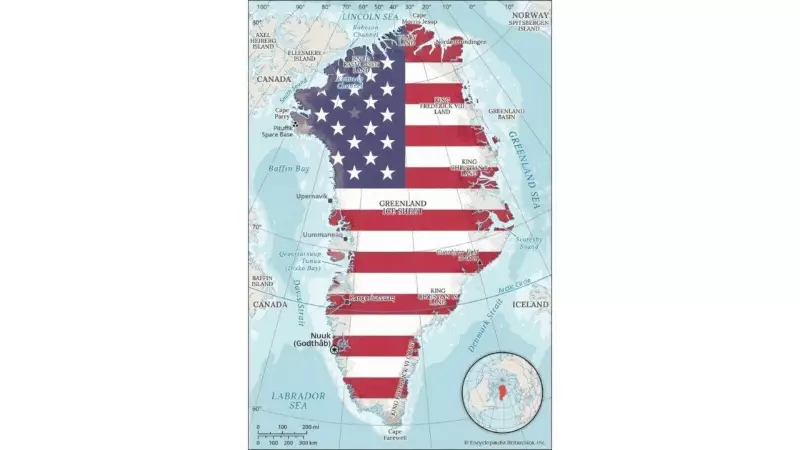
The report gained further traction when an image of Greenland was shared on social media platform X by Katie Miller. Miller is the wife of Stephen Miller, who served as a senior advisor to former US President Donald Trump. The timing of this post has added fuel to the speculation, linking the concept to figures within the previous administration's inner circle.

Strategic Motivations Behind the Plan
Greenland, the world's largest island, is an autonomous territory within the Kingdom of Denmark. Its strategic importance has grown exponentially in recent years due to its vast natural resources, including rare earth minerals, and its crucial geographic position in the Arctic. The Arctic region has become a new frontier for global power competition, with melting ice opening new shipping routes and access to untapped resources.
This reported "cash-for-Greenland" plan suggests a direct attempt to sway public opinion on the island. By offering life-changing sums directly to its approximately 56,000 residents, the US could theoretically create a powerful grassroots movement in favour of independence from Copenhagen and a subsequent partnership with Washington. The plan, as described, bypasses traditional diplomatic channels in favour of a populist economic incentive.
Global Repercussions and Diplomatic Fallout
If confirmed and pursued, such a strategy would undoubtedly trigger a major diplomatic crisis between the United States and Denmark, a longstanding NATO ally. It would represent a direct intervention in the internal affairs of a sovereign kingdom and its autonomous region. The European Union would likely view such actions with severe concern, potentially destabilising transatlantic relations.
Furthermore, the move would send shockwaves through global geopolitics, setting a precedent where major powers use direct financial inducements to citizens of other territories to alter sovereign boundaries. The report, published on January 8, 2026, by Livemint, categorises this as a developing story, indicating that more details and official reactions are expected to emerge.
The very discussion of this plan highlights the increasing value placed on the Arctic and the lengths to which nations might go to secure a foothold there. It raises profound questions about the future of diplomacy, sovereignty, and the power of economic incentives in shaping national borders and alliances in the 21st century.