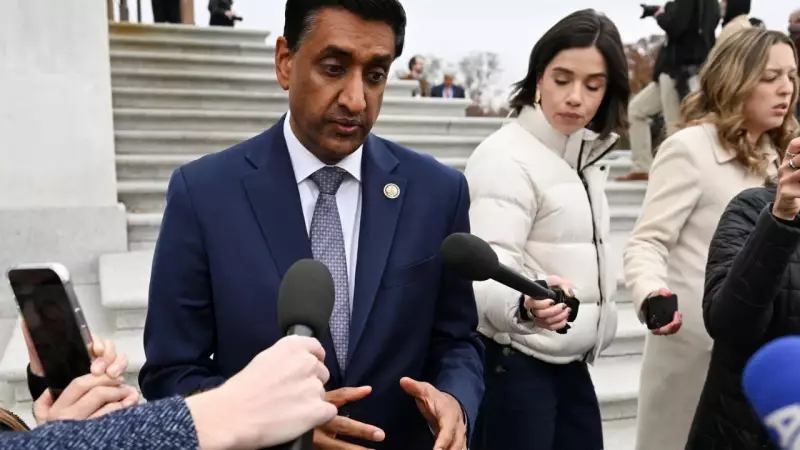
In a dramatic escalation of foreign policy, the United States military has captured Venezuelan President Nicolas Maduro from a heavily guarded fortress in Caracas. The operation, ordered by President Donald Trump, has ignited a fierce political debate, with Indian-origin Democratic Congressman Ro Khanna leading the condemnation.
Operation in Venezuela: A Swift Military Capture
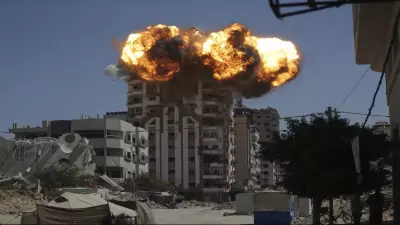
President Trump authorized a targeted military strike in Venezuela, which resulted in the capture of the country's leader, Nicolas Maduro, and his wife. The pair were subsequently flown to the United States to face law enforcement. According to US officials, the attack lasted less than 30 minutes and involved at least seven reported blasts.
Trump stated that no American soldiers were injured and that no civilian areas were targeted. However, the Venezuelan Vice President claimed that some Venezuelan civilians and military personnel were killed during the operation. Maduro now faces multiple indictments in the US, including charges related to "narco-terrorism" conspiracy dating back to 2020.

Political Firestorm: Khanna's Condemnation and Vance's Defense
The military action has drawn sharp criticism from within the US. Congressman Ro Khanna, a prominent Democrat, strongly condemned President Trump's decision. Khanna accused Trump of betraying his 'MAGA' base by launching a "war of choice" and bowing to a foreign policy establishment committed to militarism.
"What will we say now if Xi Jinping wants to capture Lai of Taiwan or Putin tries to capture Zelensky in Ukraine?" Khanna questioned. He called for a public movement against bloated defense budgets and urged for investment in domestic priorities like jobs, healthcare, and education.
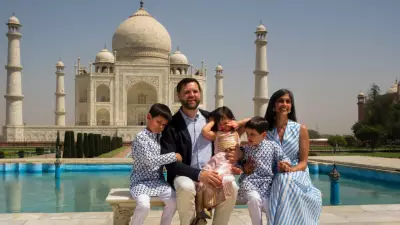
In stark contrast, Vice President JD Vance staunchly defended the operation on foreign soil. Vance emphasized that Maduro had been offered "multiple off-ramps" but failed to comply with US demands to stop drug trafficking and return stolen oil. "You don't get to avoid justice for drug trafficking in the United States because you live in a palace in Caracas," Vance stated, praising the special operators who executed the mission.
Aftermath and Uncertain Future for Venezuela
Following the capture, President Trump indicated that the United States would now play a decisive role in determining Venezuela's future. "We can't take a chance in letting somebody else run and just take over what he left, or left off," Trump remarked in an interview. This move sets a significant precedent for US intervention and has raised serious questions about international law and sovereignty.
The event underscores deep divisions in American foreign policy, pitting proponents of aggressive action against alleged rogue leaders against those advocating for diplomatic restraint and a focus on domestic issues. The capture of a sitting head of state by military force is a rare event in modern geopolitics, and its repercussions will likely be felt across global diplomatic circles for years to come.