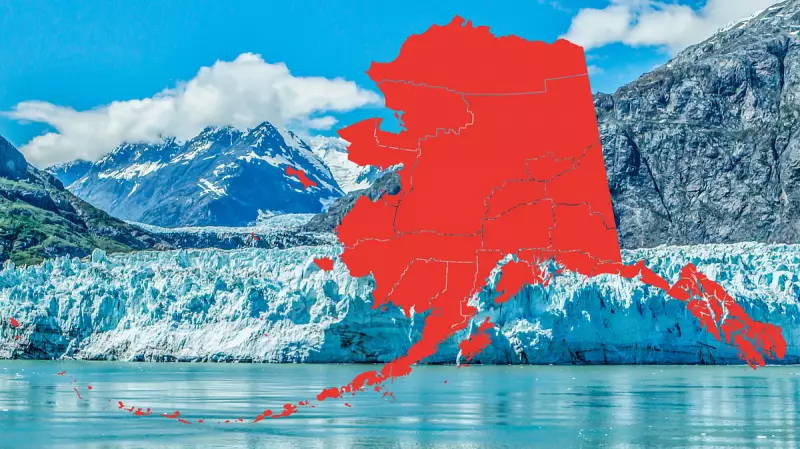
The United States has a long history of expanding its territory through strategic purchases. One of the most remarkable examples remains the acquisition of Alaska from Russia in 1867. This transaction reshaped the North American map and set a powerful precedent for American territorial ambitions.
The Alaska Purchase: A Deal That Changed History
In 1867, the United States government negotiated a deal with the Russian Empire. Secretary of State William H. Seward spearheaded the effort to buy Alaska. The agreed price was $7.2 million, which amounted to roughly two cents per acre. Many Americans initially criticized the purchase, calling it "Seward's Folly" or "Seward's Icebox." They saw the vast, frozen territory as a worthless investment.
Why Russia Sold Alaska
Russia decided to sell Alaska for several practical reasons. The remote region was difficult to defend and administer from St. Petersburg. The Russian-American Company, which managed the territory, faced financial struggles. Additionally, Russia feared that Britain might seize Alaska during any future conflict. Selling to the United States provided a friendly buyer and removed a strategic liability.

The formal transfer occurred on October 18, 1867. The ceremony took place in Sitka, Alaska. American soldiers raised the Stars and Stripes, replacing the Russian flag. This moment marked the official beginning of American governance in the territory.
From "Seward's Folly" to Strategic Asset
Public opinion shifted dramatically in the following decades. The discovery of gold in the late 1890s triggered the Klondike Gold Rush. Thousands of prospectors flocked to Alaska, proving its economic potential. Later, the territory gained immense strategic importance during World War II and the Cold War. Its location offered a crucial vantage point near Soviet airspace.
Alaska finally achieved statehood in 1959. It became the 49th state of the Union. Today, Alaska is celebrated for its natural resources, including oil, gas, and fisheries. The initial $7.2 million investment now seems like a historic bargain.
A Historical Echo in Modern Politics
The story of Alaska's purchase resonates in contemporary political discussions. Former President Donald Trump publicly expressed interest in buying Greenland from Denmark in 2019. While that proposal did not materialize, it highlighted how the idea of acquiring territory through purchase remains part of American political discourse. The Alaska deal serves as a direct historical parallel, showing that such transactions are not without precedent.
Historical acquisitions like Alaska demonstrate a pattern in American expansion. The Louisiana Purchase in 1803 and the Gadsden Purchase in 1853 followed similar logic. Each deal aimed to secure land, resources, or strategic advantages through diplomatic negotiation and payment.
Understanding the 1867 Alaska purchase helps contextualize modern territorial ambitions. It reminds us that the map of the United States was not fixed by revolution alone. Diplomacy, negotiation, and financial transactions played equally vital roles in shaping the nation's borders.