US Grants Passage to Russian Oil Tanker Bound for Cuba
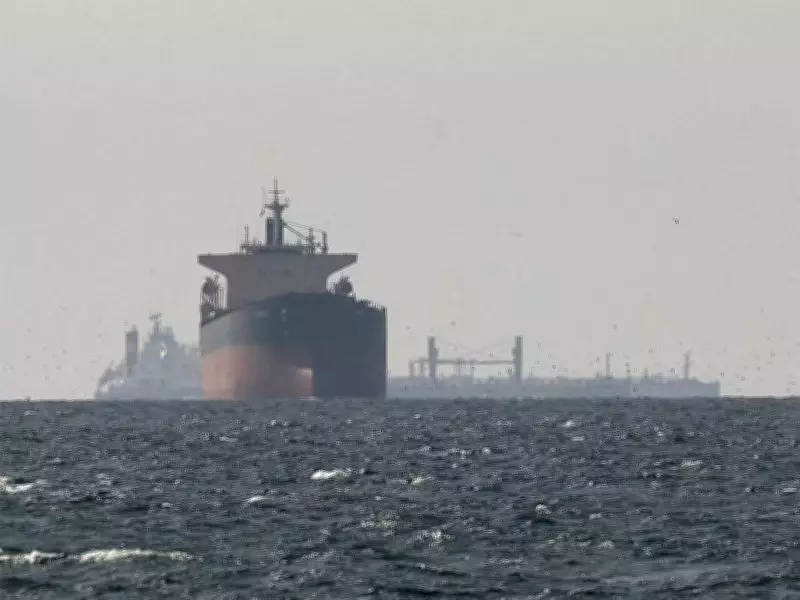
In a significant diplomatic development, the United States has reportedly authorized a Russian oil tanker to proceed to Cuba, effectively breaking a longstanding blockade amid a severe fuel crisis gripping the island nation. According to reports from The New York Times, this decision marks a notable shift in US policy toward Cuba, which has historically faced strict sanctions and restrictions on imports, particularly in the energy sector.
Background of the Fuel Crisis in Cuba
Cuba has been grappling with a dire fuel shortage, exacerbated by economic challenges and international sanctions. The crisis has led to widespread power outages, transportation disruptions, and significant hardships for the Cuban population. In recent months, the situation has worsened, prompting urgent calls for humanitarian aid and fuel supplies to stabilize the country's infrastructure and daily life.
Details of the Russian Oil Tanker Authorization
The specific Russian oil tanker in question is set to deliver much-needed fuel to Cuba, providing a temporary relief from the ongoing crisis. The US decision to allow this passage comes after careful consideration of the humanitarian implications, as well as broader geopolitical factors. This move is seen as a pragmatic step to address immediate needs while navigating complex international relations involving Russia, Cuba, and the United States.

Key aspects of this development include:
- Humanitarian Focus: The authorization is primarily driven by concerns over the fuel crisis's impact on Cuban citizens, highlighting a humanitarian angle in US foreign policy.
- Geopolitical Implications: This action could signal a potential easing of tensions or a strategic adjustment in US-Cuba relations, amid ongoing global energy dynamics.
- Blockade Break: By permitting the tanker, the US is effectively breaking a blockade that has restricted fuel imports to Cuba, marking a departure from previous enforcement of sanctions.
Reactions and Future Outlook
Initial reactions to this news have been mixed, with some viewing it as a positive humanitarian gesture, while others express concerns about the implications for US sanctions policy and relations with Russia. Experts suggest that this could pave the way for further diplomatic engagements or adjustments in trade restrictions, depending on how the situation evolves in Cuba and the broader international arena.
Looking ahead, the arrival of the Russian oil tanker is expected to provide short-term relief, but long-term solutions will require sustained efforts and potential policy changes. The US's role in facilitating this delivery underscores the interconnected nature of global energy markets and humanitarian crises, setting a precedent for future actions in similar contexts.