TSA Implements $45 Fee for Travelers Without REAL ID
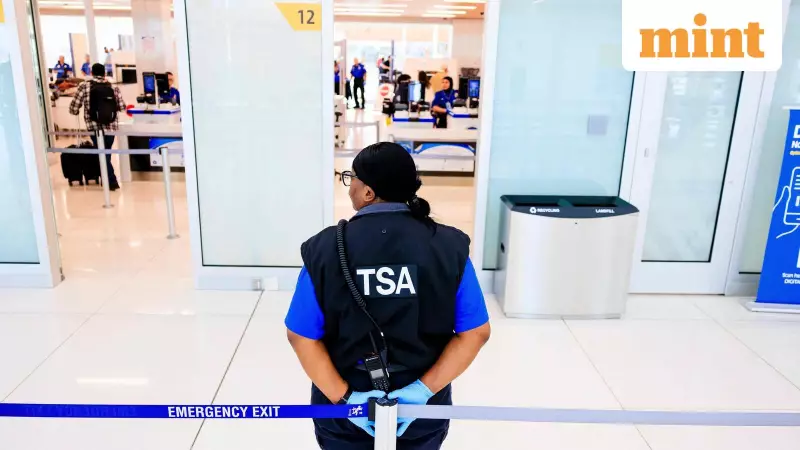
The Transportation Security Administration will start charging passengers a forty-five dollar fee. This applies to anyone trying to board a domestic flight without a REAL ID or another approved identification document. The new rule takes effect on February 1.
Who Must Pay the Fee?
Starting February 1, all individuals aged eighteen years or older must present proper identification. If they attempt to board a domestic flight without a REAL ID, they will face the forty-five dollar charge. Travelers who refuse to pay this fee will not pass through TSA security screening. They will not be allowed to board their aircraft.
Jennifer Gordon serves as the Federal Security Director at RDU. She made a clear statement about the upcoming change. "Those who do not want to pay the $45 fee for the modernized ID verification still have time," Gordon explained. She urged people to obtain a REAL ID compliant driver's license or another acceptable form of identification before the deadline.

Security Remains the Top Priority
Gordon emphasized the critical nature of identity verification in transportation security. "Verifying identity is a critical component of transportation security," she stated. "While most travelers provide acceptable identification, it is our responsibility to confirm that passengers are who they claim to be."
The TSA official reinforced the agency's commitment. "Ensuring the safety of the traveling public continues to be our highest priority," Gordon added.
List of Acceptable Identification Documents
Travelers can avoid the fee by presenting any of these approved identification forms:
- REAL ID–compliant driver’s license or state-issued photo ID from a Department of Motor Vehicles
- State-issued Enhanced Driver’s License or Enhanced ID
- US passport
- US passport card
- DHS Trusted Traveler cards including Global Entry, NEXUS, SENTRI, FAST
- US Department of Defense ID including IDs for dependents
- Permanent Resident Card
- Border Crossing Card
- Photo ID issued by a federally recognized Tribal Nation or Indian Tribe including Enhanced Tribal Cards
- HSPD-12 PIV card
- Foreign government-issued passport
- Canadian provincial driver’s license or Indian and Northern Affairs Canada card
- Transportation Worker Identification Credential
- US Citizenship and Immigration Services Employment Authorization Card
- US Merchant Mariner Credential
- Veteran Health Identification Card
North Carolina's REAL ID Progress
Paul Tine serves as the Commissioner of the North Carolina Division of Motor Vehicles. He provided important context about REAL ID adoption in his state. "The state has been issuing REAL IDs for almost nine years," Tine revealed. He noted that more than five million North Carolina residents already possess a REAL ID. This represents approximately fifty-eight percent of the state's population.
With the new fee approaching, Tine encouraged residents without REAL IDs to take action. He directed them to visit NCREALID.gov. The website helps people determine if they need a REAL ID and explains the required documentation.
Tine highlighted improvements in accessibility. "The DMV has made the process more accessible," he stated. All driver license offices now accept walk-in visitors throughout the day until they reach capacity. People can also book appointment slots up to seven days in advance. These appointment slots refresh every weekday.
The TSA's new policy represents a significant shift in domestic travel requirements. Travelers must ensure they have proper identification to avoid the forty-five dollar fee and potential travel disruptions.