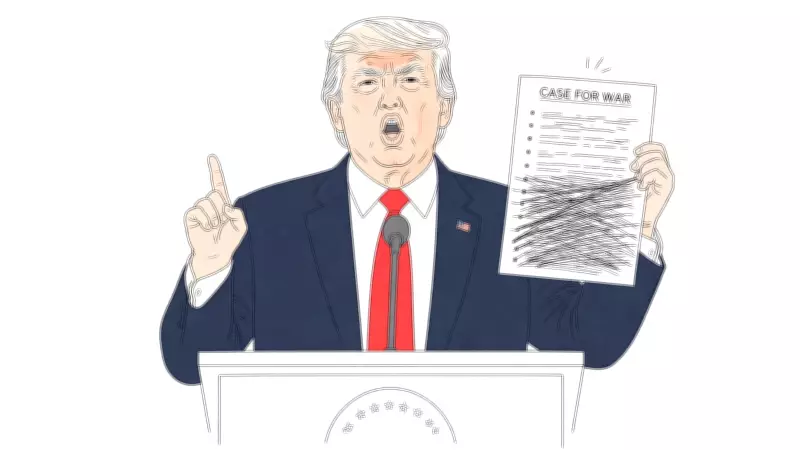
Trump's Aggressive War Stance Causes Unease Among Traditional Supporters
In a dramatic turn of events that has reverberated across global diplomatic circles, President Donald Trump's approach to military conflict with Iran has created significant discomfort even among those who typically support military intervention. The situation reached a critical point this week as Trump's administration navigated between aggressive rhetoric and last-minute diplomatic pauses.
The Deadline That Didn't Explode
Trump's much-publicized deadline for Iran passed not with the massive military strikes he had repeatedly threatened, but with an unexpected two-week suspension of hostilities. Approximately ninety minutes before his 8:00 PM Tuesday deadline in Washington DC (which corresponded to 5:30 AM Wednesday in India), the President announced he would temporarily halt United States bombing operations against Iranian targets.
This pause comes with specific conditions: Tehran must ensure what Trump described as the "complete, immediate, and safe" reopening of the strategically vital Strait of Hormuz. This narrow waterway serves as a crucial passage for approximately one-fifth of the world's oil shipments, making its security a matter of global economic significance.

Rhetoric That Crossed Traditional Boundaries
What has particularly alarmed observers and even traditional war supporters is the nature of Trump's rhetoric leading up to this pause. In the structured environment of modern warfare, there exists an unspoken protocol—a ritual of contrition that political and military leaders typically follow when engaging in armed conflict.
This protocol includes several key elements:
- Explaining why military force represents a necessary last resort
- Insisting that all diplomatic alternatives have been exhausted
- Expressing some measure of remorse for the destruction that warfare inevitably causes
- Maintaining the clear distinction that civilian populations are never the intended target
Trump's statements in the lead-up to the deadline appeared to disregard these established norms, creating discomfort across the political spectrum. The President's language lacked the traditional expressions of regret for the human cost of conflict and failed to maintain the crucial distinction between military targets and civilian populations.
A New Era of Military Communication?
This episode raises significant questions about how the United States communicates its military intentions under the current administration. The stark contrast between Trump's threatening rhetoric and the eventual diplomatic pause has created confusion among allies, adversaries, and the American public alike.
Military analysts note that while the suspension of bombing represents a positive development, the preceding rhetoric may have lasting consequences for how the United States is perceived in international conflicts. The traditional framework of wartime communication—carefully calibrated to maintain moral high ground while pursuing strategic objectives—appears to be undergoing fundamental changes.
As the two-week pause unfolds, global attention remains fixed on whether Tehran will comply with the Strait of Hormuz conditions and how the Trump administration will navigate the delicate balance between military posturing and diplomatic resolution in one of the world's most volatile regions.