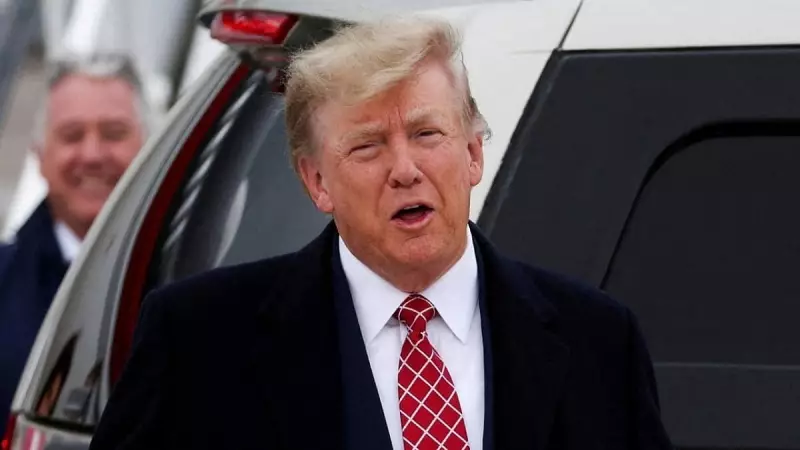
Former US President Donald Trump has ignited a fresh debate on immigration by publicly sharing a list of countries whose citizens, after immigrating to the United States, reportedly receive welfare benefits. The list, which includes neighbouring nations Pakistan and Bangladesh, conspicuously does not feature India.
Trump's Social Media Post and the Missing Name
In a move that has drawn significant attention, Trump used his social media platform to highlight the issue of immigrants accessing the US social safety net. While the specific details of the welfare programmes referenced were not elaborated, the post named several countries. The notable exclusion of India from this roster has become a key point of discussion, especially given the substantial Indian diaspora in America.
This development comes against the backdrop of ongoing political discourse in the US regarding immigration policy and the economic contributions of foreign-born residents. Trump's post, dated 04 January 2026, directly ties into themes he has frequently emphasised during his political career.

The Stature of the Indian American Community
The absence of India from the list is particularly interesting when viewed alongside demographic data. According to a recent analysis by the Pew Research Centre, Indian Americans constitute a major segment of the Asian population in the United States.
Indian Americans are the second-largest Asian-origin group in the US, making up a significant 21 per cent of the nation's total Asian population. This community is widely recognised for its high levels of educational attainment and median household income, which often exceed the national average.
Experts suggest that the socio-economic profile of the average Indian immigrant may be a factor in their lower propensity to utilise means-tested welfare programmes compared to immigrants from some other nations. The community's strong performance in sectors like technology, medicine, and business is a well-documented trend.
Regional Context and Potential Implications
The inclusion of South Asian neighbours Pakistan and Bangladesh on Trump's list creates a stark regional contrast. This differentiation could influence perceptions and political narratives concerning immigrant groups from the subcontinent within the US.
While the post presents a snapshot, it does not provide context on the legal pathways (such as family-based visas, refugee status, or employment visas) used by immigrants from the listed countries, which heavily influence eligibility for benefits. The move is seen by analysts as part of a broader political strategy to frame certain immigration streams as a fiscal burden.
The reaction from the Indian American community and policymakers in India will be closely watched. For the large and influential Indian diaspora, this public distinction may reinforce a narrative of their community's success and integration, but it also risks oversimplifying a complex issue of immigration and public assistance.
As the 2026 political landscape takes shape, such statements are likely to continue fuelling discussions on immigration reform, national priorities, and the role of diverse communities in shaping America's future.