Trump's Triple Gamble: A Fiscal Reckoning for the United States
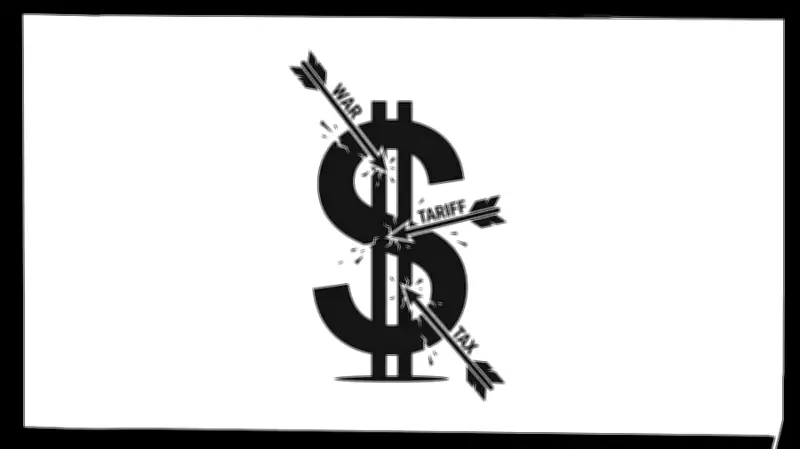
The United States is facing a significant fiscal challenge as a result of three major policy gambles undertaken during Donald Trump's administration. According to analysis by experts Deepanshu Mohan, Sonakshi Garg, and Saksham Raj, the combination of escalating tensions with Iran, aggressive trade tariffs, and the ambitious One Big Beautiful Bill Act is placing unprecedented strain on the nation's economic foundations.
The Iran Conflict and Its Economic Toll
One of the most critical components of this triple gamble is the ongoing conflict with Iran. The military engagements and diplomatic standoffs have led to substantial increases in defense spending. This surge in expenditure is not only draining federal resources but also contributing to a growing national debt. The uncertainty surrounding the conflict has further destabilized global oil markets, leading to volatile energy prices that impact both consumers and businesses across the United States.
Trade Tariffs: A Double-Edged Sword
Simultaneously, the implementation of widespread trade tariffs has created a complex economic landscape. While intended to protect domestic industries, these tariffs have triggered retaliatory measures from key trading partners. The resulting trade wars have disrupted supply chains, increased costs for American manufacturers, and led to higher prices for consumers. This policy has weakened the US's position in the global market and contributed to a slowdown in economic growth, further exacerbating fiscal pressures.

The One Big Beautiful Bill Act: Ambitious Spending
The third element of this gamble is the One Big Beautiful Bill Act, a comprehensive legislative package aimed at infrastructure and social programs. Although designed to stimulate the economy and address long-standing issues, the act involves massive government spending. Without corresponding revenue increases or spending cuts in other areas, this legislation is significantly expanding the federal deficit. The long-term sustainability of such spending is now in question, as it adds to the already mounting debt burden.
Collective Impact on Fiscal Stability
Individually, each of these policies presents significant fiscal risks. However, their combined effect is creating a perfect storm that threatens to undermine the United States' economic resilience. The increased military spending from the Iran conflict, coupled with the economic disruptions caused by tariffs and the expansive costs of the One Big Beautiful Bill Act, are collectively weakening the fiscal foundations of the nation. Experts warn that without careful management, this triple gamble could lead to reduced public investment, higher interest rates, and diminished global economic influence for the US.
As the situation evolves, policymakers and economists are closely monitoring the outcomes of these interconnected strategies. The need for a balanced approach that addresses both immediate challenges and long-term fiscal health has never been more critical. The decisions made in the coming months will play a pivotal role in determining whether the United States can navigate these turbulent waters and restore its economic stability.