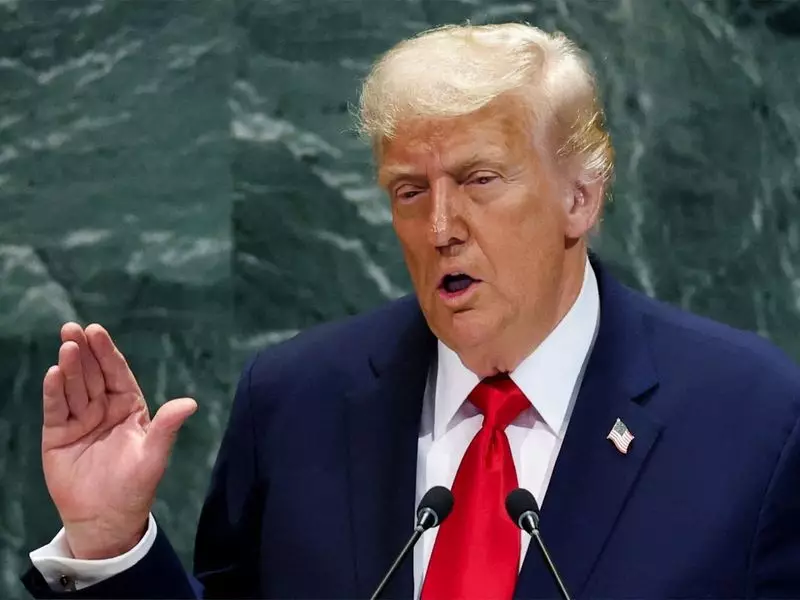
As Donald Trump completes the first year of his unprecedented second term in the White House, the global economic and political landscape bears the distinct imprint of his "America First" doctrine. This period has been defined not by diplomatic overtures but by a relentless focus on tariffs, aggressive trade negotiations, and a series of economic policies that have sent ripples across continents, from Asia to Europe.
A Resurgence of Protectionist Policies
The cornerstone of President Trump's second-term economic strategy has been a dramatic escalation in the use of tariffs. Moving beyond the skirmishes of his first tenure, his administration has imposed sweeping new tariffs on a wide range of imports, arguing they are essential to protect American industries and jobs. The most significant action has been a universal 10% tariff on all imports into the United States, a move that economists warn could increase costs for consumers and businesses alike.
This blanket approach marks a significant shift from the more targeted tariffs of the past. The policy has drawn sharp criticism from trading partners and domestic companies who argue it functions as a tax on American families. Furthermore, the administration has more than tripled tariffs on Chinese steel and aluminum, raising them to over 25%, in a continued effort to counter what it labels unfair trade practices and overcapacity from Beijing.
Intensifying the US-China Trade Rivalry
The complex and contentious economic relationship with China has entered a new, more volatile phase. The second term has seen the Trump administration double down on efforts to decouple critical supply chains from China, particularly in sectors deemed vital for national security like semiconductors, pharmaceuticals, and critical minerals. New investment restrictions and export controls have been implemented to stifle China's technological advancement.
In response, China has not remained passive. Beijing has retaliated with its own set of targeted tariffs on American agricultural exports and manufactured goods, hitting sectors politically important to the US administration. This tit-for-tat escalation has kept global markets on edge, fearing a full-blown trade war that could stifle worldwide economic growth. The tensions have also spilled over into the geopolitical arena, affecting discussions on everything from Taiwan to technology standards.
Global Repercussions and Domestic Debate
The ripple effects of America's tariff-centric policy have been felt worldwide. Allies in Europe and Asia have expressed deep concern and, in some cases, prepared retaliatory measures. The European Union has threatened counter-tariffs on iconic American products, while countries in Southeast Asia grapple with disrupted supply chains as companies seek to diversify away from China, a process known as "friendshoring" or "China Plus One."
Domestically, the policy has sparked fierce debate. Proponents, including several industry leaders in manufacturing, applaud the tough stance on China and believe the tariffs will ultimately bring production back to US soil. However, leading economists and financial institutions like the IMF have warned that sustained high tariffs could reduce global economic output, stoke inflation, and ultimately harm the very workers they aim to protect. The Congressional Budget Office has also projected that the tariff policies could slightly dampen US GDP growth over the coming years.
As the world reflects on this tumultuous year, the direction is clear: the United States, under Trump's second term, has firmly chosen a path of economic nationalism. The coming years will test whether this strategy of tariffs and confrontation can deliver its promised benefits of renewed industrial might and balanced trade, or if it will lead to a more fragmented and costly global economy. The ongoing trade tensions and tariff wars remain the defining feature of this presidency, with their final economic and political cost yet to be fully tallied.