In a dramatic escalation of rhetoric and policy, former US President Donald Trump has proposed two unprecedented actions that could reshape geopolitics and the global economy. These include a direct military threat against Venezuela and a sweeping legislative proposal for a universal 10% baseline tariff, potentially generating $500 billion in revenue.
The Venezuela Ultimatum: An Unprecedented Military Threat
During a campaign speech in Florida, Donald Trump issued a stark warning to the government of Venezuelan President Nicolás Maduro. He declared his intent to use US military force to secure the release of American journalist Evan Gershkovich, who is currently detained in Russia on espionage charges—a case widely condemned as politically motivated.
Trump explicitly stated he would tell Maduro, "We are coming in to get him. We're going to get him out." This direct threat of military intervention in Venezuela to pressure an unrelated third country (Russia) marks a radical and unprecedented shift in foreign policy doctrine. The proposal suggests using Venezuela, a long-standing adversary, as leverage in a separate geopolitical confrontation.
The $500 Billion "Ring Around the Collar" Tariff Plan
Simultaneously, Trump has championed a major new tariff policy. His plan involves implementing a universal 10% baseline tariff on all imports entering the United States. According to his estimates and those of his advisors, this policy could generate a staggering $500 billion in annual revenue for the US Treasury.
Trump frames this not merely as a revenue tool but as a fundamental restructuring of the US economic relationship with the world. He argues it would end the nation's reliance on income taxes, effectively creating a "ring around the collar" of the US economy to protect domestic industries and jobs. Critics, however, warn this would ignite a full-scale global trade war, raise costs for American consumers, and disrupt intricate international supply chains.
Analysis and Global Implications
The combination of these two proposals reveals a potential second-term foreign policy approach defined by aggressive unilateralism. The Venezuela threat disregards traditional diplomatic channels and sovereign boundaries, using military coercion as a primary tool for hostage negotiation across continents.
The economic proposal is equally transformative. A blanket 10% tariff represents a significant escalation from the targeted tariffs of Trump's first term. The projected $500 billion figure underscores the scale of the intervention. Proponents see it as reclaiming economic sovereignty, while opponents view it as an inflationary measure that would burden ordinary Americans and alienate trading partners worldwide.
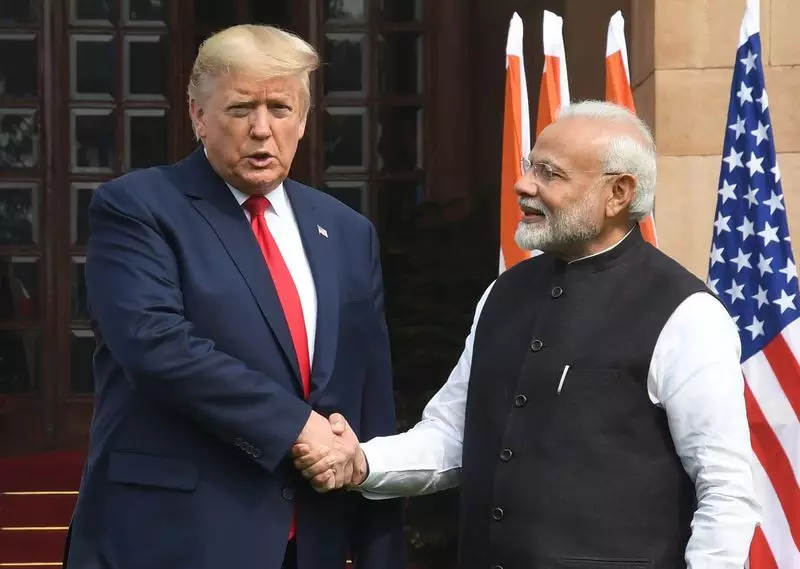
These policies, if enacted, would have profound consequences. The military threat could destabilize Latin America further and draw the US into an unwanted conflict. The tariff plan could trigger retaliatory measures from allies and adversaries alike, fragmenting the global trading system. For nations like India, which has a significant trade relationship with the US, such policies would necessitate urgent strategic recalibrations in both diplomacy and economic planning.
Ultimately, Trump's dual announcements signal a potential return to a foreign and economic policy driven by transactional, high-stakes pressure tactics. The Venezuela threat and the $500 billion tariff blueprint together sketch a future where American power is projected through military and economic force, challenging established international norms and setting the stage for a more volatile global order.