In a significant foreign policy escalation, former US President Donald Trump has signalled his intent to target drug cartels within Mexico, following recent military operations in Venezuela and controversial remarks about acquiring Greenland. This potential move marks a sharp pivot in cross-border security strategy and has drawn a firm response from Mexican leadership.
A New Front: From Venezuelan Waters to Mexican Soil
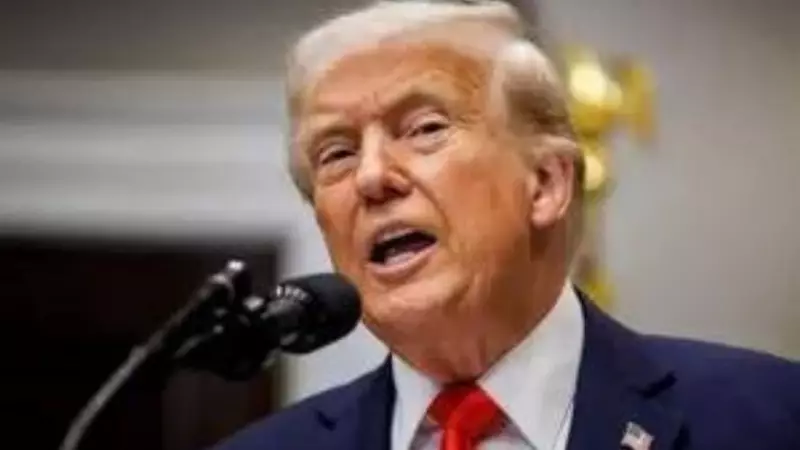
Trump's latest comments came during an interview with Fox News host Sean Hannity, aired on Thursday night. "We are going to start now hitting land with regard to the cartels. The cartels are running Mexico," Trump stated, outlining a tougher stance. This follows months of US military activity in the eastern Pacific Ocean and Caribbean Sea, where American forces have been conducting strikes on suspected drug-trafficking vessels since September, resulting in over 100 casualties.
The context for this shift includes the recent, surprise capture of Venezuelan leader Nicolás Maduro. This event was described as the climax of sustained US military and economic pressure on the leftist regime. Trump also confirmed that US forces executed a land strike on a Venezuelan docking facility used by narcotics boats. The interim government in Caracas has condemned these actions as a direct threat to regional stability.

Mexico's Firm Rejection and a Warning on Sovereignty
Any direct US military action on Mexican soil would represent a major and unprecedented escalation. Trump revealed that on Sunday, he pressed Mexico's President, Claudia Sheinbaum, to permit US troops to operate within Mexico against the cartels—an offer he claims she had previously rejected.
Responding to Trump's broader comments about Washington's "dominance" in the hemisphere, President Sheinbaum issued a pointed warning on Monday. She asserted that the Americas "do not belong" to any single power, clearly pushing back against the notion of unilateral US action within the region.
Greenland Gambit and European Unease
Simultaneously, Trump has reignited a past controversy by reiterating plans to "buy" Greenland. This statement prompted a sharp reaction from Denmark, which governs the autonomous Arctic territory. The Danish defence ministry clarified that a Cold War-era directive remains in full force, requiring its soldiers to "shoot first and ask questions later" in the event of an attack on Greenland.
Speaking to the Danish daily Berlingske, the ministry explained that the rule obliges forces to "immediately take up the fight" against any foreign invasion without waiting for political clearance. This stark warning underscores the rising European unease over the United States, under a potential Trump administration, openly weighing military action to seize the strategically vital territory.
The convergence of these events—military action in Venezuela, threats of intervention in Mexico, and the provocative bid for Greenland—paints a picture of a potentially more confrontational and unilateral US foreign policy approach. It raises profound questions about sovereignty, regional stability, and the rules of engagement between allied nations.