Trump's Foreign Policy Folly: How Iran Conflict Reshapes US Political Landscape
In a surprising turn of events, former President Donald Trump's military approach toward Iran is creating significant ripples across the United States political spectrum. According to Patrick Basham, Director of the Democracy Institute in Washington, Trump's strategy demonstrates a fundamental misunderstanding of Iran's capabilities and strategic position.
Ignoring Iran's Strategic Strengths
Basham's analysis reveals that Trump's foreign policy approach completely overlooks Iran's substantial military resources, tactical dexterity, and multiple strategic advantages. Iran possesses significant geographic, demographic, and cultural strengths that any military strategist would consider crucial in conflict planning. Yet these factors appear lost on Trump, creating what experts describe as a dangerous blind spot in American foreign policy.
"Iran's military resources, tactical dexterity and geographic, demographic and cultural strengths are lost on Trump," Basham notes, emphasizing how this oversight could have serious consequences for both national security and political outcomes.

Historical Context of Regime Change Pursuits
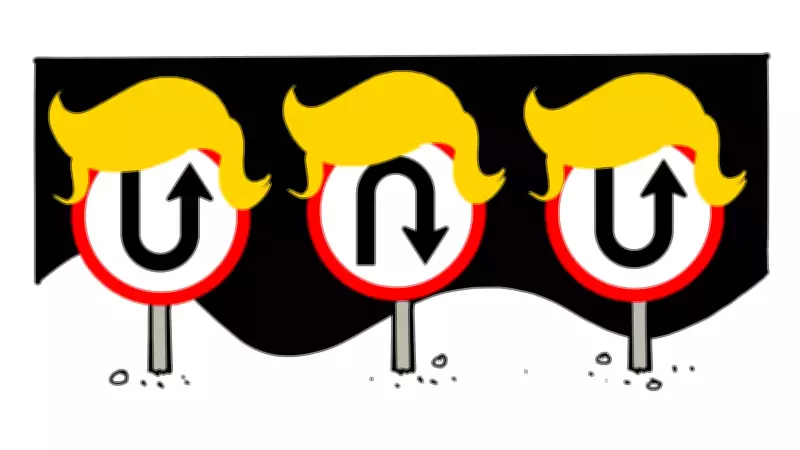
Trump isn't the first American president to pursue what Basham calls "the Fool's Gold of regime change" across West Asia. Previous administrations have similarly engaged in ambitious foreign policy ventures with mixed results. However, what makes Trump's approach particularly noteworthy is its unexpected nature given his political positioning and previous foreign policy statements.
The pursuit of regime change in Iran represents a continuation of a long-standing pattern in American foreign policy, but with Trump's distinctive approach that combines unconventional diplomacy with military posturing.
Electoral Consequences for Republicans
The most significant aspect of this analysis concerns the electoral cost to Trump and the Republican Party. Basham suggests that Trump's foreign policy decisions regarding Iran are creating unexpected political consequences that could reshape the American political landscape in upcoming elections.
Several factors contribute to this electoral impact:
- Voter concerns about unnecessary military engagements
- Questions about strategic decision-making capabilities
- Growing skepticism about foreign policy expertise
- Potential economic consequences of prolonged conflict
These factors combine to create what Basham describes as "the most unexpected foreign policy folly" in recent American political history, with ramifications extending far beyond traditional foreign policy circles into the heart of domestic politics.
The Broader Political Implications
The analysis suggests that Trump's approach to Iran represents more than just a foreign policy decision—it's becoming a defining political issue that could influence:
- Republican primary outcomes
- General election strategies
- Voter alignment patterns
- Long-term party positioning on foreign policy
As the 2026 political season unfolds, observers will be watching closely to see how these foreign policy decisions translate into concrete electoral outcomes, potentially reshaping the balance of power in Washington and beyond.