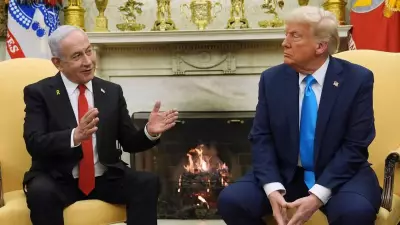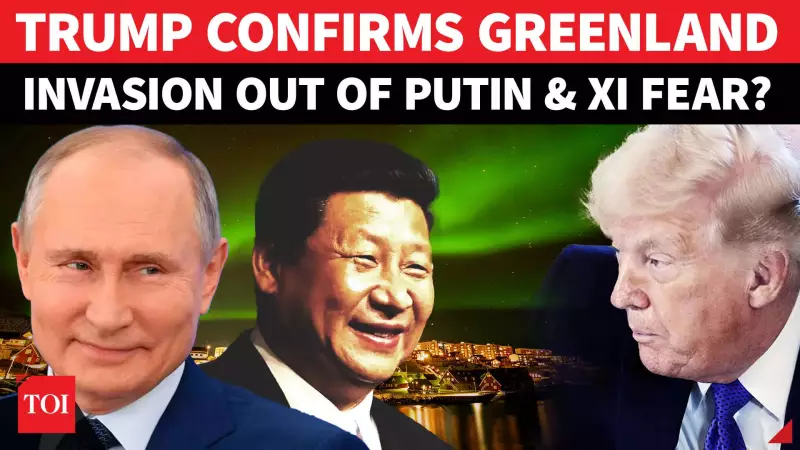
In a move that has sent shockwaves through the international community, former and now again US President Donald Trump has forcefully revived his ambition to bring Greenland under American control. The White House has confirmed that all options, including the potential use of military force, are being considered to acquire the vast Arctic island. This dramatic step is framed as a crucial national security measure to prevent strategic rivals Russia and China from gaining a foothold in the resource-rich and strategically vital region.
White House Confirms Military Option On The Table
The announcement, made on January 10, 2026, represents a significant escalation in global tensions. According to official statements, the Trump administration views Greenland's acquisition as a top priority to safeguard American interests in the Arctic. The administration argues that controlling Greenland is essential to keep expanding Russian military activities and Chinese economic investments in the polar region at bay. The explicit mention of a military pathway, termed by some as the "hard way," alongside diplomatic efforts, has become the most controversial aspect of the proposal.
Denmark and European Allies Rally in Furious Opposition
The reaction from Copenhagen and other Western capitals has been swift and severe. Denmark, which holds sovereignty over Greenland through the Kingdom of Denmark, has categorically rejected any attempt by the United States to annex the territory. Danish officials have issued a stark warning, stating that such an aggressive move could fracture the NATO alliance and destroy decades of post-war security cooperation built on trust and shared values.

Key European powers have immediately closed ranks with Denmark. Leaders from France, Germany, the United Kingdom, and Canada have publicly declared their support for Greenland's autonomy and Denmark's sovereignty. They have unanimously asserted that the future of the island lies solely with its people and the Danish kingdom, forcefully pushing back against the US's stated national security rationale.
Broader Geopolitical Ripples and Fallout
This explosive development is not occurring in a vacuum. It comes amid a backdrop of heightened global friction, as referenced in related reports. These include tensions with Iran and Russia, actions against Venezuelan oil shipments, and ongoing conflict in Ukraine. The Greenland gambit is seen by analysts as a potentially destabilizing action that could redefine Arctic politics and strain Western alliances like never before.
The situation creates a profound dilemma for NATO, pitting its most powerful member against a founding European ally. The strong, unified response from Europe indicates a readiness for a major diplomatic clash. As the US administration presses forward with its "easy or hard way" proposition, the world watches to see if this bold Arctic power play will lead to a recalibration of global alliances or trigger an unprecedented crisis within the West itself.