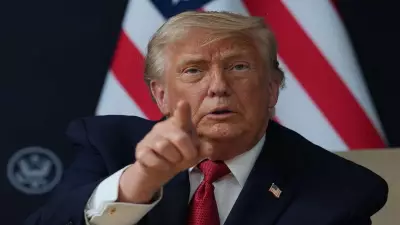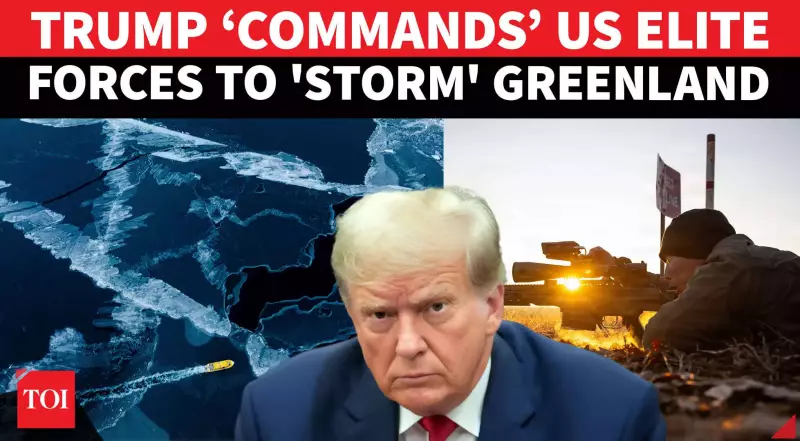
In a move that has sent shockwaves through international diplomatic circles, US President Donald Trump has reportedly issued a directive to America's elite special forces. He has asked them to prepare contingency plans for a potential military takeover of Greenland. This development, based on information from diplomatic sources, has triggered significant alarm within the Pentagon and across European capitals.
Behind the Directive: Arctic Fears and Political Pushback
The order, which emerged on January 11, 2026, is said to be driven by underlying fears within the Trump administration. There is a growing concern that global rivals, namely Russia and China, are rapidly expanding their strategic influence in the resource-rich and strategically vital Arctic region. Greenland, as an autonomous territory of Denmark, is seen as a key geopolitical piece in this new Great Game.
However, the directive has not been met with uniform support. Senior US military commanders are actively pushing back against the idea. Top generals have warned the White House that such an operation could be illegal under international law and would likely prove to be a politically explosive decision with far-reaching consequences.

Global Repercussions and a United Front
The news has prompted immediate and strong reactions from all parties involved. The North Atlantic Treaty Organization (NATO), the US-led military alliance, is reportedly on edge, assessing the potential fallout of such an action by a leading member state.
In a rare show of unity, Greenland's political leaders have jointly and firmly rejected any notion of a US invasion or annexation. Simultaneously, Denmark, which handles Greenland's defence and foreign affairs, has placed its military forces on a state of heightened alert. This move signals Copenhagen's readiness to defend its sovereign territory.
A Looming Geopolitical Crisis
The situation unfolds against a tense global backdrop. With US midterm elections looming and international tensions already running high due to conflicts elsewhere, this development risks creating a historic rupture in transatlantic relations. What might have initially been dismissed as rhetorical bluster now appears to be edging toward a tangible and dangerous geopolitical crisis, putting long-standing alliances to the test.
The world now watches to see if the planning progresses or if internal military and political pressure forces a reconsideration of this audacious strategy.