Trump Unveils Sweeping 'Great Healthcare Plan' to Transform American Healthcare
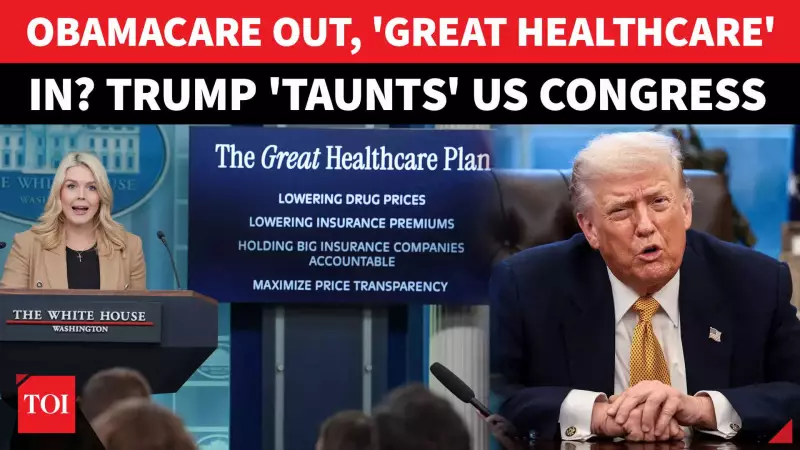
President Donald Trump has officially rolled out his ambitious healthcare proposal, branding it the "Great Healthcare Plan." The White House describes this as the most comprehensive healthcare overhaul ever presented to the American public. Trump is now putting intense pressure on Congress to pass the legislation without delay.
Core Components of the New Healthcare Proposal
The plan contains several key elements designed to fundamentally change how Americans access and pay for medical care:
- Direct payments to health savings accounts instead of government-controlled programs
- Drug price reductions by tying American prices to the lowest costs paid in other countries
- Insurance premium cuts through increased competition
- Forced transparency requirements for insurance companies
- Revived funding for cost-sharing reductions tied to Affordable Care Act silver plans
How the Plan Would Work for American Families
At the heart of Trump's proposal lies a dramatic shift in healthcare funding. Rather than relying on traditional government programs, Americans would receive direct payments deposited into personal health savings accounts. This approach allows individuals and families to purchase insurance independently in the private market.

The administration argues this system will deliver multiple benefits. Patients gain more control over their healthcare decisions. Increased competition among insurance providers should drive down costs. The plan specifically targets prescription drug prices, promising significant reductions by benchmarking them against international rates.
Political Context and Congressional Response
Trump's proposal arrives at a critical moment for American healthcare. Costs continue to surge while important subsidies face expiration. The plan attempts to reverse premium increases that followed the Trump administration's 2017 decision to halt insurer reimbursements.
Democratic lawmakers have already criticized the proposal as inadequate for addressing America's healthcare challenges. Uncertainty surrounds whether Congress will take action on the legislation, setting the stage for a potentially fierce political battle on Capitol Hill.
The White House maintains that this approach will bypass bureaucratic inefficiencies while confronting what they describe as "Big Insurance" interests. Trump is betting heavily on a system that could reshape American healthcare for generations to come.