Trump Issues Stark Military Warning Amid Surging Anti-ICE Protests Across America
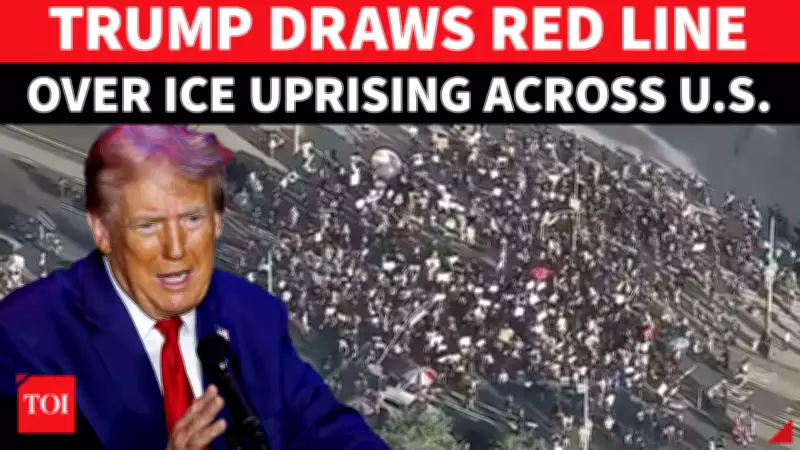
Anti-ICE demonstrations are intensifying across the United States as public anger escalates over the Trump administration's aggressive immigration enforcement policies. From Los Angeles to Minneapolis, streets are filling with protesters responding to deadly encounters involving federal officers and increasingly stringent enforcement actions.
Presidential Warning and Federal Stance
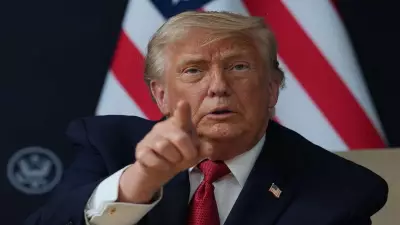
In a dramatic development, U.S. President Donald Trump has delivered a stark warning to protesters, explicitly stating that demonstrators should "beware of the powerful U.S. military." The president declared that the federal government will not intervene in protests occurring in Democratic-led cities unless local authorities formally request assistance.
However, Trump simultaneously vowed forceful protection of federal buildings and installations using Immigration and Customs Enforcement (ICE) personnel and Border Patrol agents. This dual approach creates a complex landscape where federal intervention is selectively applied based on political jurisdiction while maintaining aggressive defense of federal property.

Nationwide Unrest and Escalating Tensions
The current wave of protests represents a significant escalation in the ongoing national debate about immigration policy, federal authority, and civil liberties. Multiple cities are experiencing:
- Direct clashes between protesters and law enforcement
- Numerous arrests at demonstration sites
- Legal challenges and lawsuits being filed
- Solidarity protests emerging nationwide
This multifaceted response indicates that the conflict over immigration enforcement has entered a particularly volatile phase, with implications for both domestic policy and constitutional questions about federal versus local authority.
Broader Implications and Political Context
The administration's approach reflects a broader strategy of emphasizing federal sovereignty in immigration matters while distancing from local law enforcement responsibilities in politically opposing jurisdictions. This creates a situation where:
- Federal buildings become fortified symbols of immigration enforcement
- Democratic cities face protests without automatic federal support
- The military is positioned as potential backup for immigration enforcement
- Civil liberties organizations mobilize against perceived overreach
As tensions continue to rise, the battle lines are being drawn not just in streets across America, but in courtrooms, legislative chambers, and the court of public opinion. The coming weeks will likely determine whether this represents a temporary escalation or a fundamental shift in how immigration enforcement intersects with protest rights and federal authority in the United States.