Trump Issues Stark Warning to Iran Over Qatar Attacks
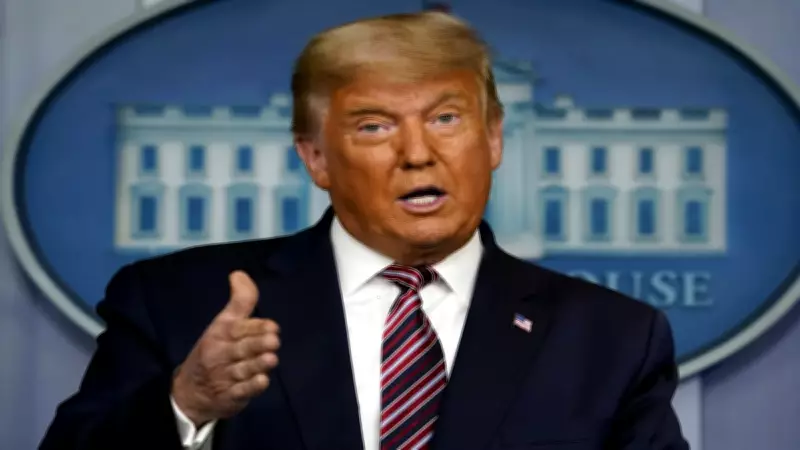
Former United States President Donald Trump has delivered a forceful and unambiguous warning to the Islamic Republic of Iran, declaring that he would authorize a "massive retaliation" should Tehran persist in its aggressive actions against the State of Qatar. This statement significantly escalates the already volatile geopolitical climate in the Middle East, raising fears of a broader regional conflict.
A Direct and Uncompromising Ultimatum
In a recent public address, Trump articulated a clear stance on the simmering tensions. "If Iran continues to attack Qatar, we will not hesitate to do so," he asserted, leaving little room for diplomatic ambiguity. The phrase "massive retaliation" underscores a potential shift towards a more confrontational U.S. policy posture in the region, reminiscent of his administration's previous actions.
The context of this warning is rooted in a series of reported provocations and military engagements involving Iranian forces and Qatari interests. While specific details of the alleged attacks were not fully elaborated in his remarks, the implication points to a pattern of aggression that the former President views as unacceptable and requiring a decisive response.

Implications for Middle East Stability
This declaration from a leading figure in American politics carries profound implications for international relations and security dynamics. Qatar, a key U.S. ally in the Gulf region and host to a major American military base, Al Udeid Air Base, finds itself at the center of this escalating rhetoric. The threat of U.S. intervention adds a complex layer to the intricate web of alliances and enmities in the Middle East.
Analysts are closely monitoring the situation, concerned that such bellicose language could:
- Provoke further military posturing from Iran.
- Destabilize delicate diplomatic efforts in the region.
- Impact global energy markets, given the strategic importance of the Persian Gulf.
- Influence the foreign policy direction of the current U.S. administration.
A Pattern of Confrontational Rhetoric
Trump's warning aligns with his historically hawkish stance towards Iran, a nation with which he has frequently clashed. During his presidency, his administration pursued a policy of "maximum pressure," which included withdrawing from the Iran nuclear deal and imposing severe economic sanctions. This latest statement suggests a continued advocacy for a hardline approach, potentially influencing the discourse as the 2024 U.S. election cycle approaches.
The international community is now faced with a stark reminder of the persistent tensions in the Middle East. The call for "massive retaliation" serves as a potent signal that the risk of conflict remains high, and the actions of state actors in the coming weeks will be scrutinized for any signs of escalation or de-escalation.