

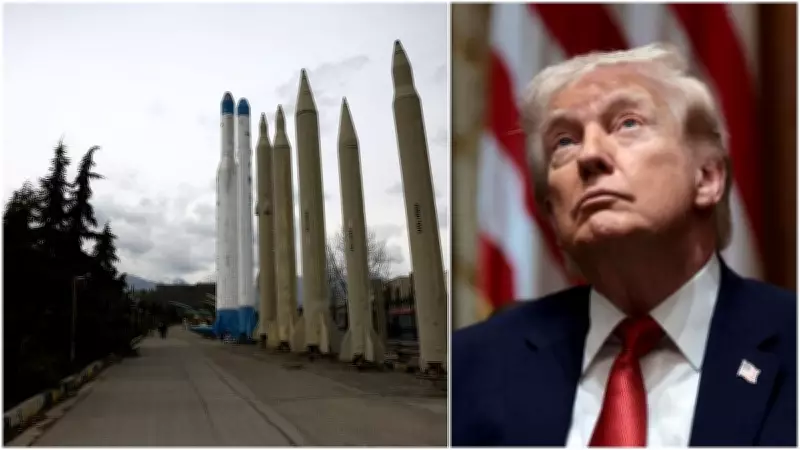
Standoff Over War Terms Continues as Trump Warns Tehran, Then Questions Deal Prospects
The diplomatic impasse over terms to end the ongoing war persists, with former US President Donald Trump issuing a stern warning to Tehran, only to later cast doubt on the likelihood of reaching an agreement. This development comes amid heightened tensions and conflicting statements from both sides, underscoring the fragile nature of the negotiations.
Trump's Mixed Signals on Iran Deal
In a recent statement, Donald Trump asserted that the Iranians are desperate for a deal and that active talks are underway between the parties. However, he quickly tempered this by suggesting he might not ultimately agree to any proposed terms, adding a layer of uncertainty to the already complex diplomatic landscape. This dual stance from Trump highlights the volatile dynamics at play, as his influence continues to shape US foreign policy discussions.
Tehran's Denial and the Ongoing Deadlock
Contrary to Trump's claims, Tehran has categorically denied being engaged in any formal negotiations or discussions regarding the war's conclusion. Iranian officials have maintained that they are not in talks, further complicating efforts to resolve the conflict. This denial points to a significant disconnect between the two sides, with each presenting conflicting narratives about the state of diplomatic engagement.

Background and Implications of the Standoff
The standoff centers on the specific terms required to bring an end to the war, which has been ongoing for an extended period. Key issues under discussion include:
- Ceasefire conditions and verification mechanisms
- Post-conflict security arrangements and regional stability
- Economic sanctions and their potential lifting
- Humanitarian aid and reconstruction efforts
Trump's warning to Tehran serves as a reminder of the high stakes involved, with potential repercussions for global security and Middle Eastern geopolitics. His fluctuating position on the deal reflects broader uncertainties within international diplomacy, where personal politics and strategic interests often collide.
Global Reactions and Future Outlook
International observers are closely monitoring the situation, as the standoff threatens to prolong the conflict and exacerbate regional tensions. The mixed messages from Trump and Tehran's denials have created a cloud of ambiguity, making it difficult to predict the next steps in the negotiation process. Experts warn that without a clear path forward, the risk of escalation remains high, potentially drawing in other nations and destabilizing the area further.
As of March 26, 2026, the deadlock continues, with no immediate resolution in sight. The coming weeks are likely to be critical in determining whether the parties can bridge their differences or if the standoff will lead to renewed hostilities. The world watches anxiously, hoping for a breakthrough that could pave the way for peace and stability in the region.






