

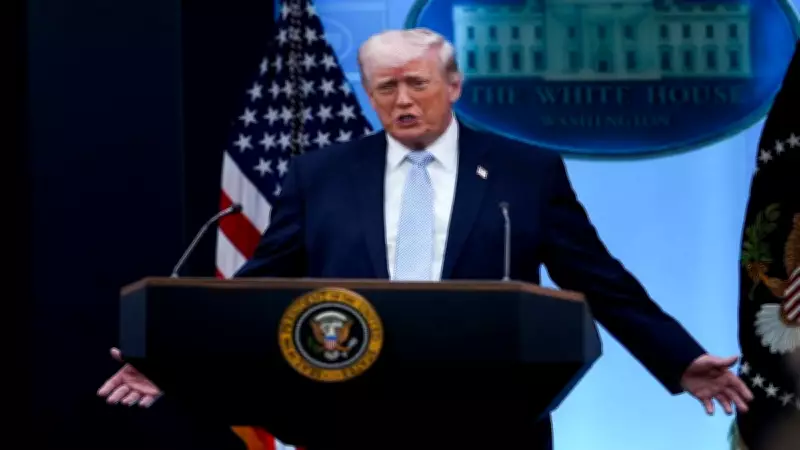
Trump Issues Stark Warning on Tariffs for Iran Weapon Suppliers
In a move that has sent shockwaves through international diplomatic and trade circles, former United States President Donald Trump has declared his intention to impose severe economic penalties on nations that supply weapons to Iran. This announcement came mere hours after reports of a ceasefire agreement in the region, highlighting a potentially volatile intersection of conflict resolution and global commerce.
Details of the Tariff Threat
Trump specifically warned of implementing 50 per cent tariffs on any country found to be providing military equipment or arms to Iran. He made it unequivocally clear that there will be no exclusions to this policy, suggesting a blanket application regardless of diplomatic ties or existing trade agreements. This stance marks a significant escalation in his approach to foreign policy and economic sanctions, which has often been characterized by aggressive rhetoric and unilateral actions.
Timing and Context: Post-Ceasefire Announcement
The timing of this warning is particularly noteworthy, as it followed closely on the heels of a ceasefire announcement involving Iran. While the specifics of that ceasefire were not detailed in Trump's statement, the proximity suggests a deliberate strategy to leverage economic pressure in the aftermath of conflict de-escalation. Analysts speculate that this could be an attempt to influence future negotiations or deter support for Iran's military capabilities during a fragile peace period.

Potential Global Implications
The threat of such high tariffs carries profound implications for global trade dynamics and international relations:
- Impact on Allied Nations: Countries traditionally allied with the US, such as those in Europe or Asia, could face significant economic disruptions if they are involved in arms deals with Iran, testing diplomatic bonds.
- Market Reactions: Financial markets may experience volatility as investors assess the risks of increased trade barriers and potential retaliatory measures from affected nations.
- Diplomatic Strain: This move could strain relationships with key trading partners and complicate multilateral efforts to address security issues in the Middle East and beyond.
Historical Context and Trump's Trade Policies
This warning aligns with Trump's historical approach to trade and foreign policy, which has often prioritized protectionist measures and strong-armed tactics. During his presidency, he frequently used tariffs as a tool to advance political and economic objectives, such as in disputes with China and other nations. The current threat extends this pattern into the realm of arms control and regional conflicts, potentially setting a new precedent for how economic sanctions are wielded in geopolitical standoffs.
Looking Ahead: Uncertainties and Responses
As the international community digests this announcement, several questions remain unanswered. The feasibility of enforcing such tariffs, the specific criteria for identifying weapon suppliers, and the potential for legal or political challenges are all areas of uncertainty. Responses from affected countries and global organizations like the United Nations or World Trade Organization will be closely watched, as they could shape the trajectory of this developing situation.
In summary, Trump's warning of 50% tariffs on nations supplying weapons to Iran, issued shortly after a ceasefire announcement, represents a bold and contentious step in global affairs. It underscores the ongoing tensions between economic policy and diplomatic strategy, with far-reaching consequences for trade, security, and international cooperation.






