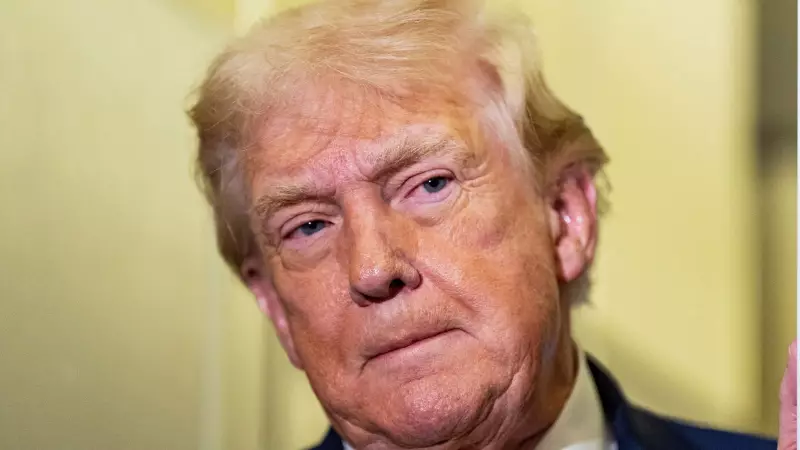
Former United States President Donald Trump has made a significant statement regarding Venezuela, asserting that elections in the South American nation could be organized within 30 days of his potential return to the White House. Crucially, he distanced himself from any notion of military conflict, declaring, "We are not at war with Venezuela."
Trump's Commitment to a Swift Electoral Process
In a detailed interview, Trump outlined his approach to the ongoing political crisis in Venezuela. He expressed confidence in his ability to facilitate a democratic transition, stating that elections "will take place in the next 30 days" if he wins the November 2024 presidential election. This pledge forms a core part of his foreign policy vision for the region, contrasting with the more aggressive rhetoric sometimes associated with his administration's earlier stance.
The former president emphasized his personal rapport with both the Venezuelan opposition and, notably, with the current socialist leader Nicolas Maduro. He suggested that this unique relationship would be instrumental in negotiating a peaceful resolution. Trump's comments indicate a shift towards a diplomatic, deal-making strategy rather than one overtly threatening force.

Distancing from Military Intervention and Biden's Policy
A key element of Trump's statement was the explicit rejection of a warlike posture. "We are not at war with Venezuela," he clarified, addressing speculation and concerns about potential US military action. This marks a notable tonal difference from some of his previous comments and the maximum pressure campaign enacted during his first term.
Furthermore, Trump positioned his proposed plan as a direct alternative to the current policy under President Joe Biden. He criticized the Biden administration's approach, which has involved easing some oil sanctions in exchange for electoral commitments, as ineffective. Trump argued that his method of direct, personal negotiation would yield faster and more concrete results, leading to the promised swift elections.
Context and Potential Implications
Venezuela has been mired in a deep political and economic crisis for years. The legitimacy of Maduro's government has been contested by the US and many other nations, which recognized opposition leader Juan Guaido as the interim president in 2019. While that policy has largely been dialed back, the goal of fostering free and fair elections remains a cornerstone of US diplomacy.
Trump's promise, made on the campaign trail, is likely aimed at highlighting his self-proclaimed prowess in international deal-making. It appeals to voters concerned about foreign policy and positions him as a strong leader capable of solving complex global issues. However, the feasibility of organizing internationally recognized elections in such a short timeframe, given Venezuela's deeply fractured political landscape, would be an immense challenge.
The statement also serves to differentiate his potential second-term foreign policy from that of his first term, suggesting a more negotiated, albeit still unilateral, approach. As the US election draws nearer, such foreign policy declarations will continue to shape the debate on America's role in resolving international crises, with Venezuela standing as a prominent test case.