Trump Presents Healthcare Framework, Demands Congressional Action
President Donald Trump unveiled the framework of his "Great Healthcare plan" on Thursday. He urged Congress to consider it without delay. Republicans face growing pressure to address rising medical expenses and insurance premiums. This pressure comes after the expiration of key subsidies.
Core Proposal: Direct Payments and Health Savings
The White House outlined the plan's main components. It aims to formalize Trump's approach to lowering drug prices. This would involve linking U.S. drug prices to the lowest prices paid in other developed countries.
At the heart of the proposal is a system of direct payments to Americans. These funds would go into health savings accounts. The idea is to allow individuals to manage their own insurance independently. They would not rely on the federal government for direct management.

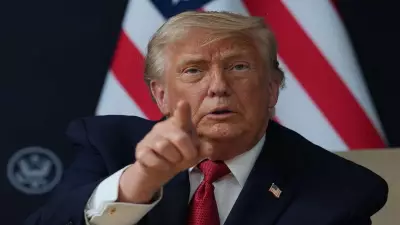
In a video announcement shared by the White House, Trump explained the concept. "The government is going to pay the money directly to you," he stated. "It goes to you and then you take the money and buy your own health care."
Immediate Call for Legislative Action
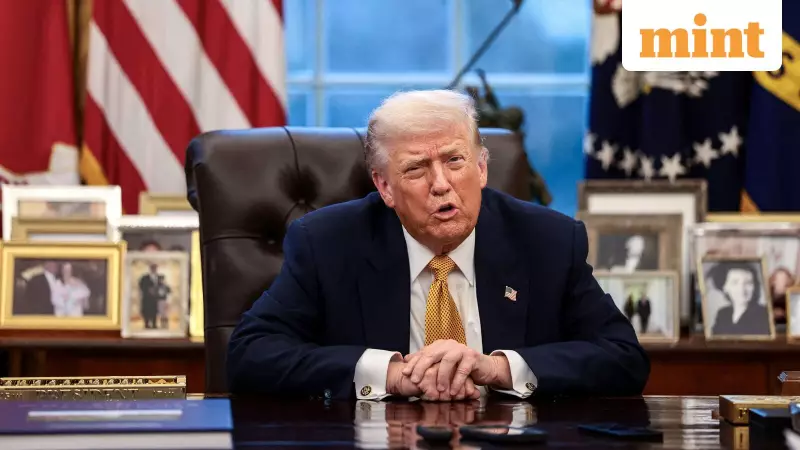
Trump made a direct appeal to lawmakers. "I’m calling on Congress to pass this framework into law without delay," he said in his video message. He emphasized the need for speed, adding, "We have to do it right now so that we can get immediate relief to the American people."
However, the initial response from Democrats was sharply critical. They slammed the plan as an inadequate solution. They argue it fails to properly address the high costs of healthcare that burden many families.
It remains unclear if any members of Congress are taking steps to formally introduce the Republican president's plan. The concept is not entirely new. It echoes ideas discussed among Republican senators last year.
Political Context and Subsidy Expiration
The push for a new plan comes at a critical time. Enhanced tax credits, which helped lower insurance costs for many Affordable Care Act enrollees, expired at the end of 2025. These subsidies had been a point of major political conflict. Democrats had previously forced a 43-day government shutdown over the issue.
Senator Bernie Moreno, a Republican from Ohio, is leading a bipartisan effort. A group of 12 senators is working on a compromise. Their goal is to extend those crucial subsidies for two more years. The proposal would also introduce new limits on eligibility for the aid.
Interestingly, this bipartisan proposal includes a provision favored by Trump. In its second year, it would create the option for a health savings account.
Focus on Cost-Sharing Reductions (CSRs)
Trump stated that his plan aims to lower insurance premiums. It proposes to fully fund cost-sharing reductions, known as CSRs. These are a form of financial assistance. Insurers provide them to low-income enrollees on "Obamacare" silver-level, or mid-tier, plans.
Historically, from 2014 to 2017, the federal government reimbursed insurance companies for these CSR payments. The first Trump administration halted those payments in 2017.
To make up for the lost federal funds, insurers raised premiums on silver-level plans. This had a ripple effect. The higher premiums actually increased the amount of financial aid many enrollees received to help cover their costs.
Potential Unintended Consequences
Health policy analysts have weighed in on the proposal. They note that restoring CSR funding would likely reduce premiums for silver-level plans, as Trump claims. However, they warn of a potential downside.
This move could unintentionally lead to higher net premiums for many people. Those enrolled in bronze and gold plans might see their costs go up as a result of the policy change. The debate over the plan's effectiveness and impact is sure to continue as Congress reviews the framework.