In a significant development concerning the ongoing digital crisis in Iran, United States President Donald Trump has indicated he will personally reach out to tech billionaire Elon Musk for assistance. The move comes as Iran grapples with an unprecedented nationwide internet blackout that has severed millions from the digital world.
Trump's Promise to Engage Musk
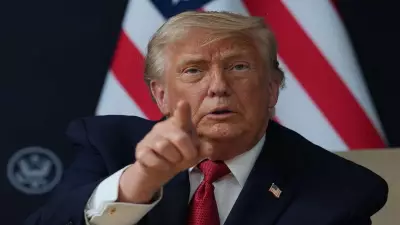
When questioned by reporters about potential plans to utilise SpaceX's Starlink satellite internet system to aid the Iranian people, President Trump confirmed his intention to initiate talks. "We may speak to Elon (Musk) because he’s very good at that kind of thing," Trump stated. He praised Musk's company, SpaceX, calling it a "very good company" and promised, "I’m going to call him as soon as I’m finished with you." This potential intervention highlights the severity of the communication blockade affecting the country.
Unprecedented Scale of the Iranian Internet Shutdown
The current digital blackout in Iran began on Thursday, January 8, 2026, and has plunged the nation into informational isolation. Reports confirm that international calls are blocked, and domestic mobile networks are non-functional. Amir Rashidi, a noted Iranian digital rights expert, described the situation to The Guardian, saying, "There is no reception on the phones. There is no antenna. It’s like you are living in the middle of nowhere, with no BTS towers."

This is not Iran's first encounter with an internet shutdown; a similar event occurred in 2019. However, experts assert that the 2026 blackout's intensity and scope are far greater and more severe. Even the Starlink system, which provided a crucial communication lifeline during the 2022 protests following the death of 22-year-old Mahsa Amini in police custody, is reportedly being jammed, according to Rashidi.
Protests, Propaganda, and a Striking Contrast
The blackout coincides with widespread protests that erupted on December 28 last year, initially triggered by soaring prices. The human cost has been steep. The US-based organisation HRANA has verified the deaths of 490 protesters and 48 security personnel, with over 10,600 arrests in just two weeks of unrest.
A particularly striking aspect of the crisis is that while ordinary Iranians are completely cut off, the country's Supreme Leader, Ayatollah Ali Khamenei, has continued to post on the social media platform X. Rashidi explained this dichotomy, noting that the government itself requires access to platforms like Telegram, Twitter (X), and Instagram to disseminate its propaganda, even as it denies access to its citizens.
The potential involvement of Elon Musk and Starlink introduces a new dimension to this geopolitical and humanitarian issue. The world now watches to see if satellite technology can once again pierce through a state-imposed digital curtain to restore a thread of connection for the Iranian people.