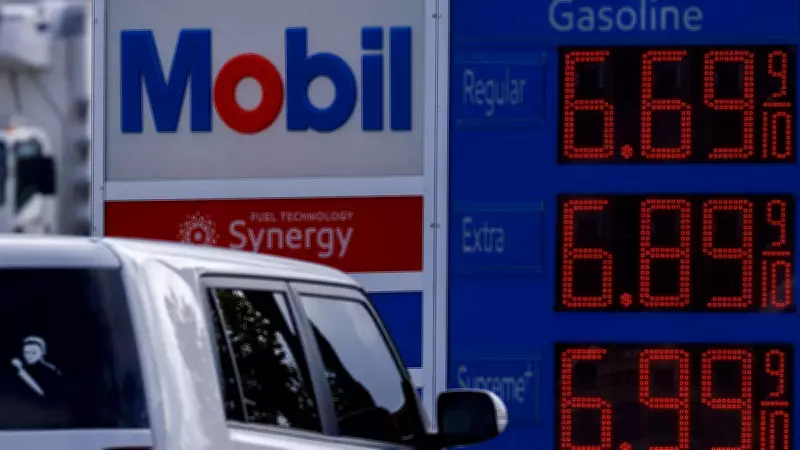
Trump Administration Moves to Ease Summer Gasoline Regulations
The Trump administration is set to implement a policy change that will relax smog-related regulations on summer gasoline, with the primary goal of bringing down fuel prices for consumers. This decision comes as part of broader efforts to address economic pressures and reduce costs at the pump during the peak driving season.
Details of the Regulatory Adjustment
The proposed changes involve easing restrictions on the Reid Vapor Pressure (RVP) standards for gasoline, which are typically tightened in the summer months to minimize smog formation. By allowing higher volatility in gasoline blends, the administration aims to increase supply and lower production costs, potentially leading to reduced retail prices. Officials argue that this move will provide relief to American families and businesses facing financial strain.
Environmental and Economic Implications
While the policy is framed as an economic measure, it has sparked significant environmental concerns. Critics warn that relaxing smog rules could lead to increased air pollution, particularly in urban areas, exacerbating health issues like asthma and respiratory diseases. Environmental groups have expressed opposition, citing potential setbacks in air quality improvements achieved over recent decades.

On the economic front, supporters contend that lower gasoline prices will stimulate consumer spending and support industries reliant on transportation. The administration emphasizes that this is a temporary adjustment aimed at balancing environmental goals with economic needs, though specifics on the duration and scope remain under discussion.
Broader Context and Reactions
This initiative aligns with the Trump administration's broader agenda of deregulation in the energy sector, which includes rolling back various environmental protections to boost domestic production. The decision has drawn mixed reactions, with industry representatives praising the potential for cost savings, while health advocates and some lawmakers voice alarm over public health risks.
As the policy moves forward, stakeholders are closely monitoring its implementation and impact, with debates expected to intensify over the trade-offs between economic benefits and environmental safeguards.