Trump's Executive Order Targets Nations Supplying Oil to Cuba with Tariff Threats
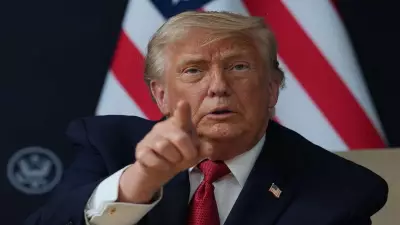
In a significant move that could reshape international trade dynamics, former US President Donald Trump has authorised an executive order under a national emergency declaration, threatening to impose tariffs on any nation that supplies oil to Cuba. This action, reported by Reuters on 30 January 2026, marks a notable escalation in US policy towards the Caribbean island nation, though it stops short of specifying exact tariff rates or identifying particular countries whose products might face these punitive measures.
Details of the Executive Order and Its Implications
The executive order, issued by Trump, leverages a national emergency declaration to grant the authority for imposing tariffs on oil shipments to Cuba. This strategic manoeuvre is designed to exert economic pressure on Cuba by targeting its energy supply chain, which is crucial for the country's infrastructure and daily operations. However, the order remains deliberately vague in certain aspects, leaving key details such as the precise tariff percentages and the list of affected nations open to interpretation and potential future adjustments.
This ambiguity allows the US administration flexibility in its approach, enabling it to tailor responses based on diplomatic developments and compliance from other countries. The move underscores Trump's hardline stance on Cuba, reflecting ongoing tensions in US-Cuba relations that have persisted for decades. By focusing on oil supplies, the order aims to cripple Cuba's economy, which relies heavily on imported energy resources to sustain its industries and public services.

Potential Global Repercussions and Reactions
The threat of tariffs on nations supplying oil to Cuba could have far-reaching consequences for global trade and international relations. Countries that are major oil exporters or have established trade ties with Cuba may find themselves at a crossroads, forced to choose between maintaining their economic partnerships with the island and avoiding punitive measures from the United States. This situation could lead to:
- Increased diplomatic friction between the US and other nations, particularly those in Latin America and beyond that have historically supported Cuba.
- Disruptions in global oil markets, as suppliers reassess their export strategies to mitigate risks associated with potential US tariffs.
- Heightened scrutiny on international trade agreements, with countries possibly seeking alternative routes or partners to bypass US sanctions.
Moreover, this executive order aligns with broader US efforts to isolate Cuba economically, a policy that has seen various iterations under different administrations. Trump's approach, however, introduces a new layer of complexity by directly threatening third-party nations, thereby expanding the scope of US influence in regional affairs. As the situation unfolds, stakeholders worldwide will be closely monitoring developments, including any clarifications on tariff specifics and the identities of targeted countries, which could further escalate tensions or pave the way for negotiations.