Trump Delivers Stark Warning to Iran Over Strait of Hormuz Access
In a dramatic escalation of tensions, former U.S. President Donald Trump has issued a severe ultimatum to Iran, demanding the full opening of the Strait of Hormuz within 48 hours. Failure to comply, he warned, will result in targeted U.S. military strikes on Iranian power plants, beginning with the largest facilities. This threat comes amid a dangerous new phase in the ongoing Iran-Israel conflict, now entering its fourth week, with recent Iranian missile attacks hitting southern Israel.
Iranian Missile Strikes Target Israeli Communities Near Nuclear Site
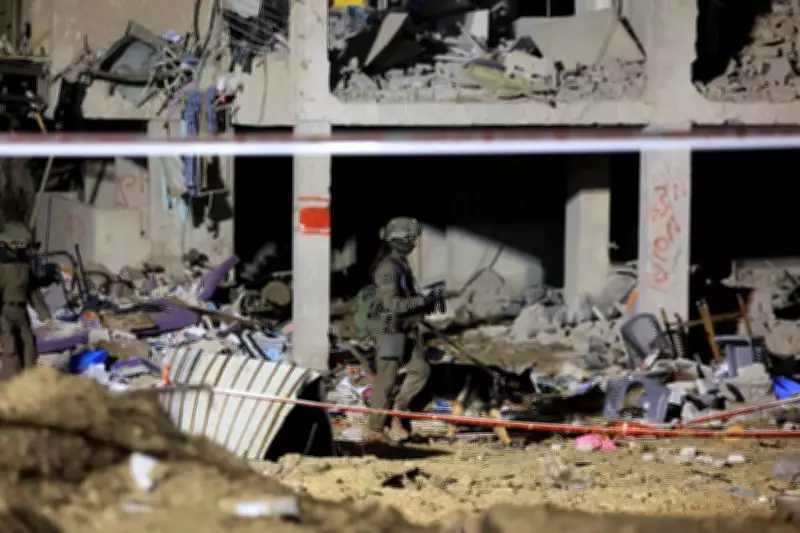
Late on Saturday, Iranian missiles struck two communities in southern Israel, specifically the cities of Dimona and Arad. These attacks caused significant damage to residential buildings, leaving dozens injured and structures shattered. Notably, the strikes occurred near Israel's main nuclear research centre, marking a concerning development as they penetrated Israel's air defence systems in this heavily protected area for the first time.
Israeli military officials confirmed their inability to intercept the missiles in the Dimona region, a sparsely populated part of the Negev desert. In response, Iran's Parliament Speaker Mohammad Bagher Ghalibaf stated on social media that this operational success signals a new phase in the battle, highlighting Tehran's growing military capabilities.

Trump's Ultimatum Amid Soaring Oil Prices and Domestic Pressure
Trump issued his warning via a social media post while spending the weekend at his Florida home. He emphasized that the U.S. would "obliterate" various Iranian power plants if Iran does not open the vital Strait of Hormuz, a key global oil transit route. This move is driven by increasing domestic pressure in the U.S. to secure the strait, as oil prices have surged due to the ongoing conflict, impacting global energy markets.
The ultimatum follows an earlier attack on Iran's main nuclear enrichment site at Natanz, which Tehran has linked to the recent missile strikes in Israel. Trump's statement explicitly targets Iran's infrastructure, with a focus on crippling its energy sector to force compliance.
Implications for Regional Stability and Global Security
The war between Iran and Israel is taking a perilous turn, with both sides demonstrating heightened aggression. Iran's ability to strike near Israeli nuclear facilities raises alarms about potential escalations involving weapons of mass destruction. Meanwhile, Trump's threat to destroy power plants could lead to widespread humanitarian crises in Iran, affecting civilians and further destabilizing the Middle East.
As the 48-hour deadline looms, international observers are closely monitoring the situation, with concerns that failure to de-escalate could trigger broader regional conflict and exacerbate global economic strains. The developments underscore the fragile state of diplomacy in the region and the urgent need for peaceful resolutions to prevent further devastation.