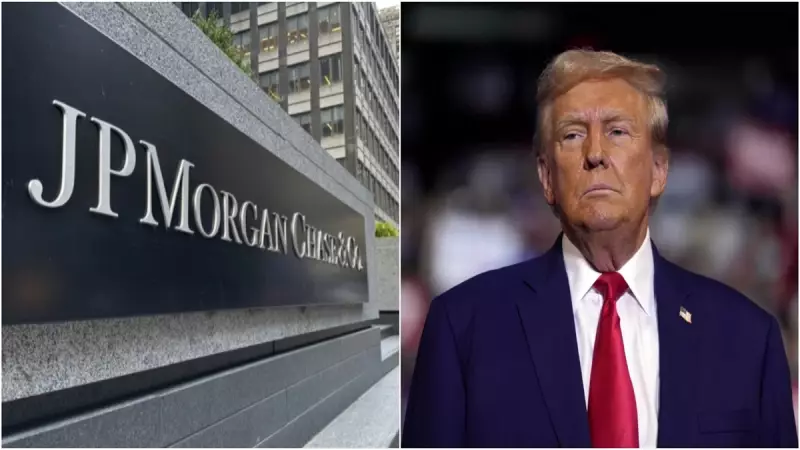
Trump Files $5 Billion Lawsuit Against JPMorgan Chase Over Account Closure
Former United States President Donald Trump has initiated a massive legal battle against one of America's largest financial institutions, JPMorgan Chase. The lawsuit, seeking a staggering $5 billion in damages, alleges that the bank unjustly terminated his accounts as part of a politically motivated vendetta. This high-profile case underscores the growing friction between major corporations and influential political personalities, raising questions about the intersection of finance and partisan politics.
Allegations of Political Retaliation
In the court documents, Trump's legal team contends that JPMorgan Chase deliberately shut down his personal and business accounts without valid justification. They assert that this action was driven by the bank's opposition to Trump's political stance and his role in the Republican Party. The lawsuit claims that the closure was not based on financial irregularities or compliance issues but was a targeted move to penalize him for his conservative views and previous presidential tenure.
The complaint further argues that such conduct sets a dangerous precedent, where financial institutions could wield their power to suppress political dissent or disadvantage individuals based on their ideological affiliations. This allegation taps into broader debates about corporate influence in democratic processes and the ethical responsibilities of banks in serving clients across the political spectrum.

JPMorgan's Response and Legal Implications
While JPMorgan Chase has not issued a detailed public statement regarding the lawsuit, banking industry analysts suggest that the institution likely followed standard regulatory protocols. Banks routinely review and sometimes close accounts due to risk management concerns, anti-money laundering regulations, or changes in business strategy. However, Trump's lawsuit challenges this narrative, insisting that the timing and circumstances point to discriminatory intent.
The legal battle is expected to be closely watched, as it could have significant implications for how financial entities interact with politically exposed persons. If Trump's claims are substantiated, it might lead to stricter oversight of banking practices concerning political bias. Conversely, a ruling in favor of JPMorgan could reinforce banks' autonomy in making client-related decisions based on internal risk assessments.
Broader Context and Industry Reactions
This lawsuit emerges against a backdrop of increasing scrutiny on big tech and financial companies accused of partisan behavior. Similar incidents have been reported where conservative figures allege discrimination by major corporations, though such cases rarely reach this scale in terms of financial claims. The $5 billion demand highlights the severe economic impact Trump attributes to the account closures, affecting his business operations and personal finances.
Key points from the lawsuit include:
- Allegations that JPMorgan violated contractual agreements and acted in bad faith.
- Claims that the bank's actions were influenced by external political pressures.
- Demands for compensatory and punitive damages totaling $5 billion.
Financial experts note that while lawsuits between high-net-worth individuals and banks are not uncommon, the political dimension of this case makes it particularly contentious. It may prompt other political figures to scrutinize their banking relationships and potentially challenge similar actions in court.
Potential Outcomes and Future Developments
The outcome of this legal dispute could reshape the landscape of corporate-political interactions in the United States. A victory for Trump might encourage more lawsuits alleging political bias, forcing banks to adopt more transparent policies. On the other hand, if the court dismisses the case, it could strengthen the legal protections for financial institutions in managing client risks independently.

As the proceedings unfold, stakeholders from various sectors—including banking, law, and politics—will be monitoring the case for its precedential value. The lawsuit not only seeks substantial financial redress but also aims to hold JPMorgan accountable for what Trump's team describes as an abuse of corporate power driven by political animosity.