

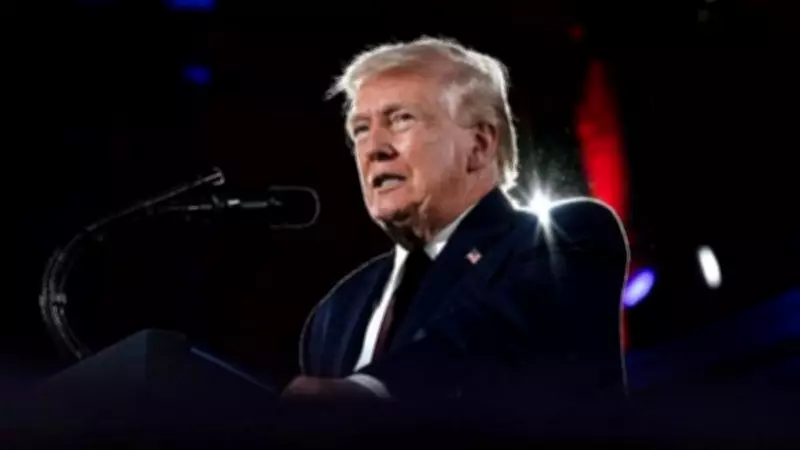
Trump Asserts NATO Nations Have Done "Absolutely Nothing" to Assist with Iran
In a recent statement that has reignited longstanding debates over international alliances, former United States President Donald Trump has sharply criticized NATO member countries for their perceived inaction regarding Iran. Trump claimed that these nations have contributed "absolutely nothing" to efforts aimed at addressing challenges posed by Iran, a comment that underscores ongoing tensions within the transatlantic partnership and highlights broader geopolitical frictions.
Escalating Rhetoric on Alliance Commitments
Trump's remarks come at a time of heightened global uncertainty, with Iran remaining a focal point of international security concerns due to its nuclear program and regional activities. By targeting NATO allies, Trump has once again brought attention to his longstanding critique of what he views as unequal burden-sharing within the alliance. This criticism echoes his previous assertions during his presidency, where he frequently pressured European members to increase defense spending and take on more responsibilities in global hotspots.
The former president's comments are likely to fuel discussions about the future of NATO and its role in addressing Middle Eastern security issues. Analysts note that such statements could strain diplomatic relations, particularly as current US administrations seek to bolster unity among allies in the face of shared threats. Trump's perspective suggests a more transactional approach to international cooperation, contrasting with traditional alliance frameworks based on collective security principles.

Implications for US Foreign Policy and Global Stability
Trump's critique of NATO's handling of Iran raises questions about the effectiveness of multilateral efforts in managing complex geopolitical challenges. Iran has been a persistent concern for Western powers, with issues ranging from nuclear proliferation to support for proxy groups in the region. By alleging that NATO nations have failed to contribute meaningfully, Trump is challenging the very foundation of alliance-based diplomacy.
This development occurs against a backdrop of evolving US foreign policy, where debates continue over the best strategies to counter Iranian influence. Some experts argue that Trump's comments may reflect broader frustrations with the pace and outcomes of international negotiations, such as the Iran nuclear deal. Others warn that public criticism of allies could undermine collaborative efforts and embolden adversaries by projecting disunity.
Reactions and Broader Context
While Trump's statements have drawn attention, they also highlight the delicate balance in maintaining alliance cohesion. NATO, established as a defensive pact, has historically focused on European security, but its scope has expanded to address global threats. The issue of Iran presents a test case for how the alliance adapts to non-traditional challenges outside its core geographic area.
In response, some NATO officials and member states have emphasized their ongoing contributions to regional stability, including through diplomatic engagements and sanctions enforcement. However, Trump's vocal dissatisfaction suggests that perceptions of effort and results may vary significantly among key stakeholders. This episode underscores the ongoing political and strategic divisions that continue to shape international relations in the post-Trump era.
As the situation develops, observers will be watching how current US leadership and NATO partners navigate these criticisms while addressing the substantive issues related to Iran. The interplay between alliance dynamics and individual national interests remains a critical factor in shaping global security outcomes.






