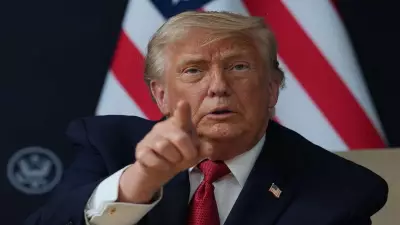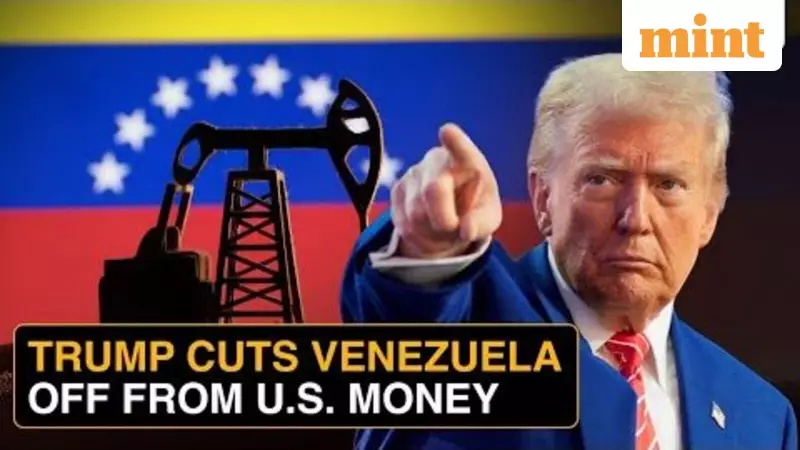
In a significant move with global energy implications, former US President Donald Trump has issued a decisive executive order aimed at securing billions of dollars in Venezuelan oil profits currently held within the United States. The order, signed on January 11, 2026, effectively locks down these funds, declaring a national emergency to prevent them from being seized by courts or creditors.
What Does the Executive Order Do?
The core action of the order is to freeze Venezuelan oil revenue sitting in US Treasury accounts. This protective shield is designed to stop legal claims from various creditors and court rulings from accessing these massive funds. The White House has framed this step as essential for both economic and political stabilisation in Venezuela, a nation sitting on the world's largest proven oil reserves.
This development comes just days after the dramatic capture of Venezuela's former leader, Nicolás Maduro, and his wife, on international drug trafficking charges by US authorities. The timing links the geopolitical manoeuvre directly to the ongoing power struggle and legal battles surrounding the South American nation's resources.

Dual Goals: US Prices and Venezuelan Recovery
The Trump administration has outlined two primary objectives behind this bold financial move. Firstly, it aims to lower fuel prices within the United States by creating a more controlled and secure mechanism for handling Venezuelan oil wealth, which could eventually influence global oil markets.
Secondly, the order is presented as a foundational step to rebuild Venezuela's crippled oil output. By safeguarding these funds from immediate dispersal, the US hopes to create a financial reservoir that can be used for the nation's future reconstruction and to restart its vital energy industry under a new political framework.
Industry Reaction and Historical Skepticism
Despite the stated goals, the order has been met with widespread skepticism from major international oil companies. These giants have long memories of being severely burned by past nationalisations and abrupt policy shifts in Venezuela. Their caution stems from decades of unstable partnerships and asset seizures, making them wary of any promises related to the country's oil sector, even when backed by US policy.
The executive action represents a complex intertwining of international law, energy economics, and foreign policy. It seeks to use US financial control as a lever to shape Venezuela's future while attempting to deliver tangible benefits to American consumers. The success of this strategy hinges on navigating legal challenges, assuaging industry fears, and the unpredictable path of Venezuela's political transition.