Former United States President Donald Trump has issued a stark warning to Iran, indicating that Washington is considering "strong options" as internal turmoil continues to grip the Islamic Republic. This statement comes amidst a backdrop of escalating regional tensions following the recent Hamas attack on Israel.
Trump's Stern Warning and US Posture
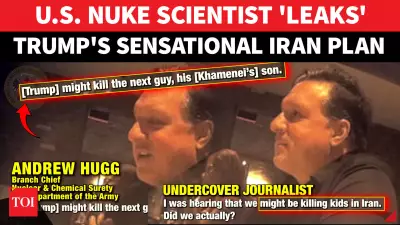
Speaking from a campaign event in Iowa, Donald Trump declared that the current situation in Iran is "so bad" and that the US is actively evaluating its next steps. The former president directly linked Iran's internal instability to its support for militant groups, specifically naming Hamas. He emphasized that the US is closely monitoring the unrest and is prepared to take decisive measures if necessary.
Trump's comments reflect a continued hardline stance towards Tehran, reminiscent of his administration's "maximum pressure" campaign. He suggested that the Iranian regime's focus on funding proxy conflicts, rather than its own people, has exacerbated domestic dissatisfaction. This public weighing of options serves as a clear message to the Iranian leadership about potential consequences.

The Context: Iran's Deepening Domestic Crisis
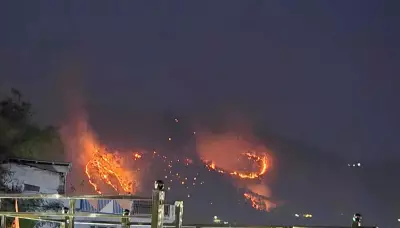
The warning from Trump is not made in a vacuum. Iran has been witnessing significant internal protests and social unrest. The economic strain from international sanctions, coupled with political repression, has fueled widespread public discontent. These domestic challenges have intensified following the nationwide protests triggered by the death of Mahsa Amini in 2022.
Analysts suggest that the regime's substantial financial and military support for groups like Hamas and Hezbollah, while many Iranians face economic hardship, has become a central point of criticism. Trump's statement strategically highlights this dichotomy, aiming to underscore the regime's priorities.
Regional Implications and Future Scenarios
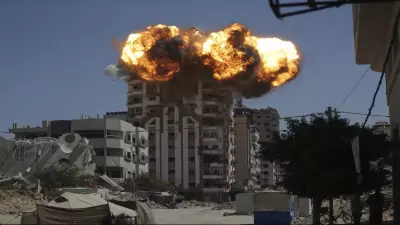
The former president's remarks add another layer of complexity to an already volatile Middle East. The ongoing conflict between Israel and Hamas has raised fears of a broader regional war, potentially involving Iran directly or through its allied militias. Trump's assertion that the US is weighing strong options signals a potential shift towards a more confrontational approach, should the unrest in Iran be seen as an opportunity to curb its regional influence.
While Trump did not specify the nature of these "options," they could range from increased sanctions and cyber operations to more overt forms of pressure. The statement also serves a domestic political purpose, reinforcing his foreign policy image as a decisive leader against adversaries. The international community will be watching closely to see how the current US administration responds to both the Iran unrest and Trump's provocative comments.
In conclusion, Donald Trump's warning places the spotlight firmly on Iran's dual crises: a deepening internal struggle for legitimacy and its contentious role in regional conflicts. The prospect of US action, however vague, introduces a new variable into the geopolitical calculus of the Middle East.