

Trump's Fiery Exchange With Reporter Over Iran Policy
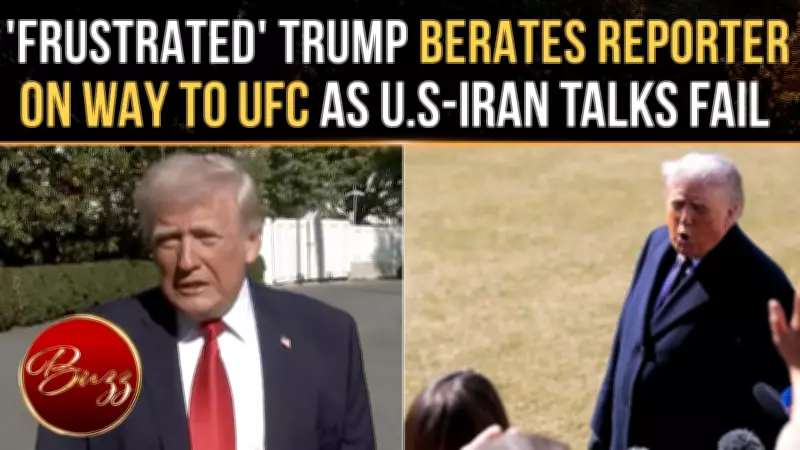
U.S. President Donald Trump sparked significant controversy following a tense confrontation with a reporter on the White House lawn. The incident occurred as Trump lashed out over questions regarding Iran and the strategic Strait of Hormuz, a critical global oil shipping route.
Heated Moment on the Lawn
In a moment that quickly turned ugly, President Trump snapped at the journalist, asserting, "You know nothing" in response to her inquiries. He went further by dismissing her media outlet as "fake news", a term he has frequently used to criticize press coverage he deems unfavorable.
Declaring Iran 'Defeated'
Amid the exchange, Trump made a bold declaration about Iran, stating that the nation is "defeated". This remark comes against a backdrop of ongoing geopolitical tensions in the Middle East, particularly concerning Iran's activities and influence in the region, including around the Strait of Hormuz.

The Strait of Hormuz is a vital maritime chokepoint through which approximately one-fifth of the world's oil passes. Any instability or conflict in this area has far-reaching implications for global energy markets and international security.
Context of the Confrontation
This incident highlights the ongoing friction between the Trump administration and the press corps. Trump's approach to media interactions has often been characterized by combative rhetoric, with this latest episode reinforcing that pattern.
The reporter's questions likely touched on sensitive foreign policy matters, including:
- U.S. strategy toward Iran
- Security concerns in the Strait of Hormuz
- Broader Middle East diplomacy
Trump's dismissal of the questions as "fake news" suggests a continued effort to control the narrative around his administration's policies and actions.
Broader Implications
This confrontation is not an isolated event but part of a series of contentious interactions between President Trump and the media. It raises questions about:
- The state of press freedom and access under the current administration
- The transparency of U.S. foreign policy decision-making
- The impact of such exchanges on public discourse and international perceptions
Trump's declaration that Iran is "defeated" may be interpreted as a strategic message to both domestic and international audiences, though it contrasts with ongoing reports of Iran's regional activities and nuclear program developments.
The episode underscores the volatile nature of Trump's public communications and their potential to influence diplomatic relations and media dynamics. As tensions persist, such incidents continue to shape the political landscape and public understanding of critical issues.






