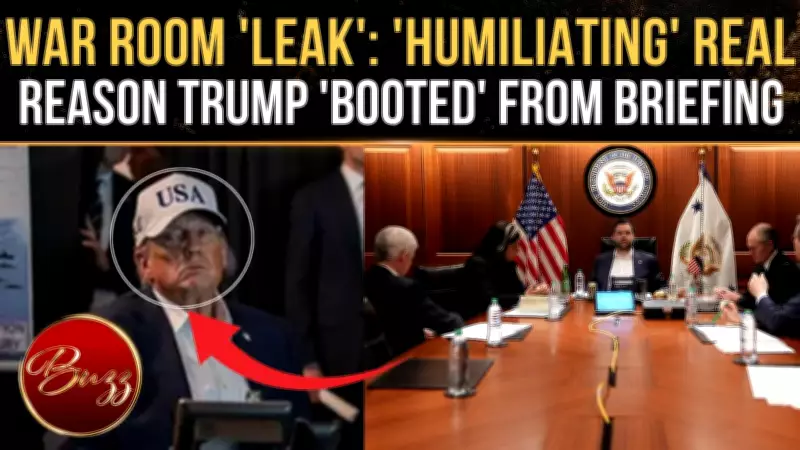
Explosive Report Details Trump's Alleged 'Freakout' During High-Stakes Iran Crisis
An explosive new report from The Wall Street Journal has revealed startling details about what allegedly transpired behind closed doors during a critical U.S. military crisis involving Iran. According to multiple sources, former U.S. President Donald Trump exhibited such intense and disruptive behavior that his aides reportedly took the extraordinary step of limiting his access to real-time briefings in the war room.
The Trigger: Missing Airmen and a Downed Aircraft
The crisis reportedly unfolded after two American airmen went missing following the downing of an F-15E Strike Eagle in Iranian territory. This incident created a high-pressure situation that demanded calm, strategic decision-making from the commander-in-chief. However, sources claim that President Trump's reaction was anything but measured.
Instead of maintaining the composed demeanor expected during military emergencies, Trump allegedly became so agitated and disruptive that his presence was deemed counterproductive to the ongoing rescue mission. This led to what insiders describe as an unprecedented move: restricting the President's access to sensitive, real-time information during one of the most tense moments of his administration.

Historical Parallels and Presidential Fears
The situation drew immediate comparisons to the 1979 Iran Hostage Crisis under President Jimmy Carter, an event that significantly damaged Carter's political standing and contributed to his electoral defeat. According to the report, Trump was reportedly deeply fearful of repeating this historical scenario, which may have contributed to his heightened emotional state.
This fear of history repeating itself, combined with the pressure of having American military personnel in peril, allegedly created a perfect storm that resulted in what aides described as a presidential 'freakout' of significant proportions. The report suggests that Trump's behavior went beyond normal frustration or concern, reaching levels that compromised the operational effectiveness of the crisis response team.
The Aftermath and Broader Implications
While the immediate crisis was eventually resolved, the reported incident raises serious questions about presidential temperament during national security emergencies. The alleged removal of a sitting president from the war room represents an extraordinary breach of normal protocol and suggests a breakdown in the chain of command at the highest levels.
This revelation comes amidst other related developments in U.S.-Iran relations at the time, including:
- Russian calls for diplomatic solutions between Iran and the U.S.
- Reports of Trump screaming at aides over the missing pilots
- U.S. military actions against Iranian ships in the Gulf
- Deployment of the USS Gerald R. Ford to the Middle East
- Heightened alerts for U.S. troops in the region
The Wall Street Journal's report provides a rare glimpse into the internal dynamics of the Trump administration during moments of extreme international tension. It highlights the challenges that can arise when a president's personal temperament clashes with the demands of crisis management, particularly in situations involving potential military conflict with adversarial nations like Iran.
While the White House at the time likely disputed these characterizations, the detailed sourcing suggests that multiple officials witnessed behavior concerning enough to warrant extraordinary measures to maintain operational security during a critical national security event.