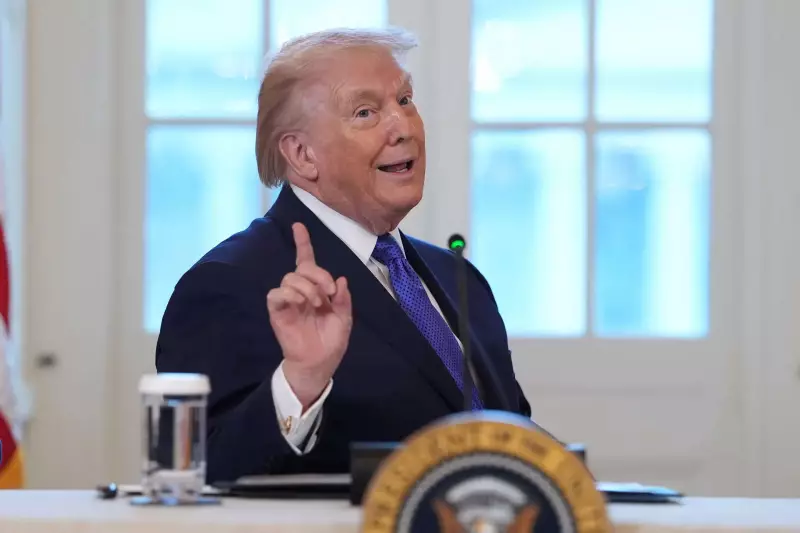
In a significant move aimed at reshaping global energy geopolitics, US President Donald Trump convened a high-stakes meeting with top executives from the world's leading oil and gas corporations this past Friday. The central agenda was to aggressively pitch for massive investments in Venezuela's beleaguered oil industry, following the recent capture of the country's President, Nicolas Maduro.
A Bold Pitch for Venezuela's Oil Riches
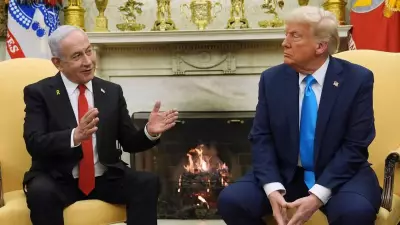
Speaking from the White House, President Trump painted a picture of a transformed Venezuela, now secure and ripe for business under US oversight. He declared that his administration would take the lead in deciding which international oil companies would be permitted to operate in the South American nation, effectively sidelining the Caracas government from the negotiation process.
"We're going to be making the decision as to which oil companies are going to go in... we're going to cut a deal with the companies," Trump asserted. He contrasted the current situation with the past, claiming foreign firms previously operated without adequate protections under Maduro. "But now you have total security. It's a whole different Venezuela," he added, signalling that companies would now "deal with us directly."

The meeting, attended by Vice President JD Vance, Secretary of State Marco Rubio, and Energy Secretary Chris Wright, included giants like Chevron, ExxonMobil, ConocoPhillips, Shell, Halliburton, and trading firms Vitol and Trafigura. Trump later claimed on social media that participants had "sort of formed a deal" and were ready to invest "at least 100 Billion Dollars."
Industry Response: Cautious and Skeptical
Despite the grand promises, the response from industry leaders was marked by deep caution, rooted in painful historical experiences. The most stark rebuttal came from ExxonMobil Chief Executive Darren Woods, who bluntly stated that Venezuela, as it stands, remains "uninvestable."
"We've had our assets seized there twice and so, you can imagine, to re-enter a third time would require some pretty significant changes," Woods said, highlighting the legal and commercial risks. "If we look at the legal and commercial constructs and frameworks in place today in Venezuela -- today, it's uninvestable."
A ConocoPhillips spokesman noted their CEO, Ryan Lance, saw value in talks about "preparing Venezuela to be investment ready," indicating a long road ahead before any concrete commitments. Energy Secretary Chris Wright, who previously stated the US would control Venezuela's oil "indefinitely," conceded after the talks that rebuilding the sector would "take time."
Major Hurdles and Global Implications
Analysts point to a chasm between Venezuela's vast resource potential and the harsh reality on the ground. The country holds roughly one-fifth of the world's proven oil reserves, estimated at 300 billion barrels. Yet, due to years of sanctions, underinvestment, and mismanagement, its production has collapsed to just about one percent of global output in 2024.
"There's lots of talk about the size of the reserves... but what's often missing is how realistic it is for those to be economically extracted," said Rich Collett-White, an energy analyst at Carbon Tracker. The challenges are monumental: crumbling infrastructure, the high cost of extracting heavy crude, persistent political risk, and a global shift away from fossil fuels making investors wary.
Trump's motivation appears closely tied to domestic US politics, viewing Venezuela's oil wealth as a lever to further reduce fuel prices for American consumers. The meeting occurred just days after US forces seized Maduro, an action Trump has openly linked to the country's oil resources.
Meanwhile, Venezuela's interim President, Delcy Rodriguez, asserted that her government remains in control. The state oil company PDVSA also stated it was holding negotiations with Washington. Currently, Chevron is the only US firm with a license to operate in Venezuela, while ExxonMobil and ConocoPhillips left in 2007 after clashes with the government of Hugo Chavez.

This bold US initiative sets the stage for a complex struggle over one of the world's largest oil reserves, pitting geopolitical ambition against stark commercial and operational realities.